










TL;DR: Pareidolia is the reason you see faces in cars, sinks, clouds and coffee foam. It is a specific type of apophenia, the broader human tendency to find patterns and meaning in random information. Pareidolia is visual: familiar shapes, usually faces, appearing in things that have none. It is completely normal, it happens to almost everyone, and it evolved because mistaking a shadow for a face cost your ancestors nothing, while missing a real one could cost them everything. It also has an auditory cousin, and it is pronounced pair-eye-DOH-lee-uh.
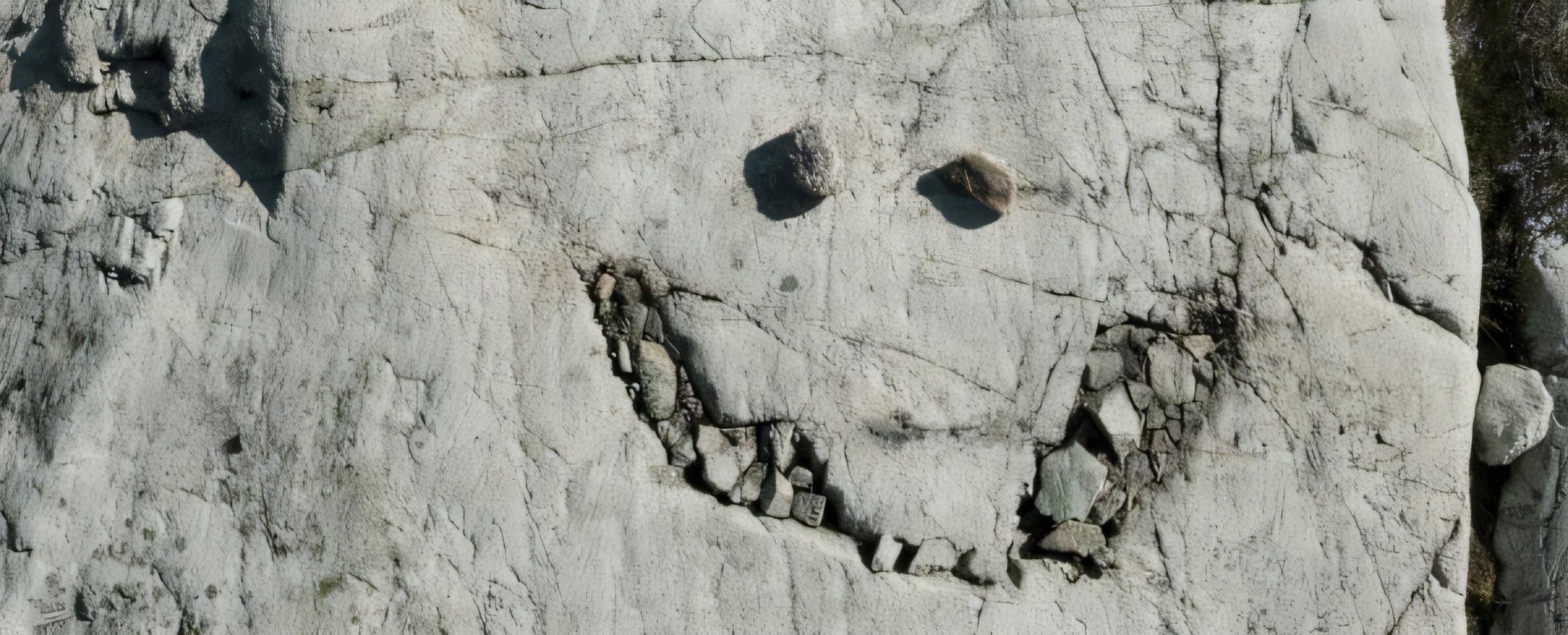
You have seen a face in a car’s front grille. In the two screws and a slot of a wall socket. In the froth on a coffee. In a cloud, a tree trunk, a bell pepper sliced the wrong way. You know the face is not there, and you see it anyway, instantly, before you have decided to look. There is a word for this. The word is pareidolia, most people have never heard it, and almost nobody can spell it.
Pareidolia is the reason you keep seeing faces in things that do not have them, and it is one of the most reliably strange features of the human mind. Below is what it is, how to say it, why your brain does it, and roughly forty examples you can look at until you start seeing them everywhere yourself.

Coffee Face Smile

Sunflower Face
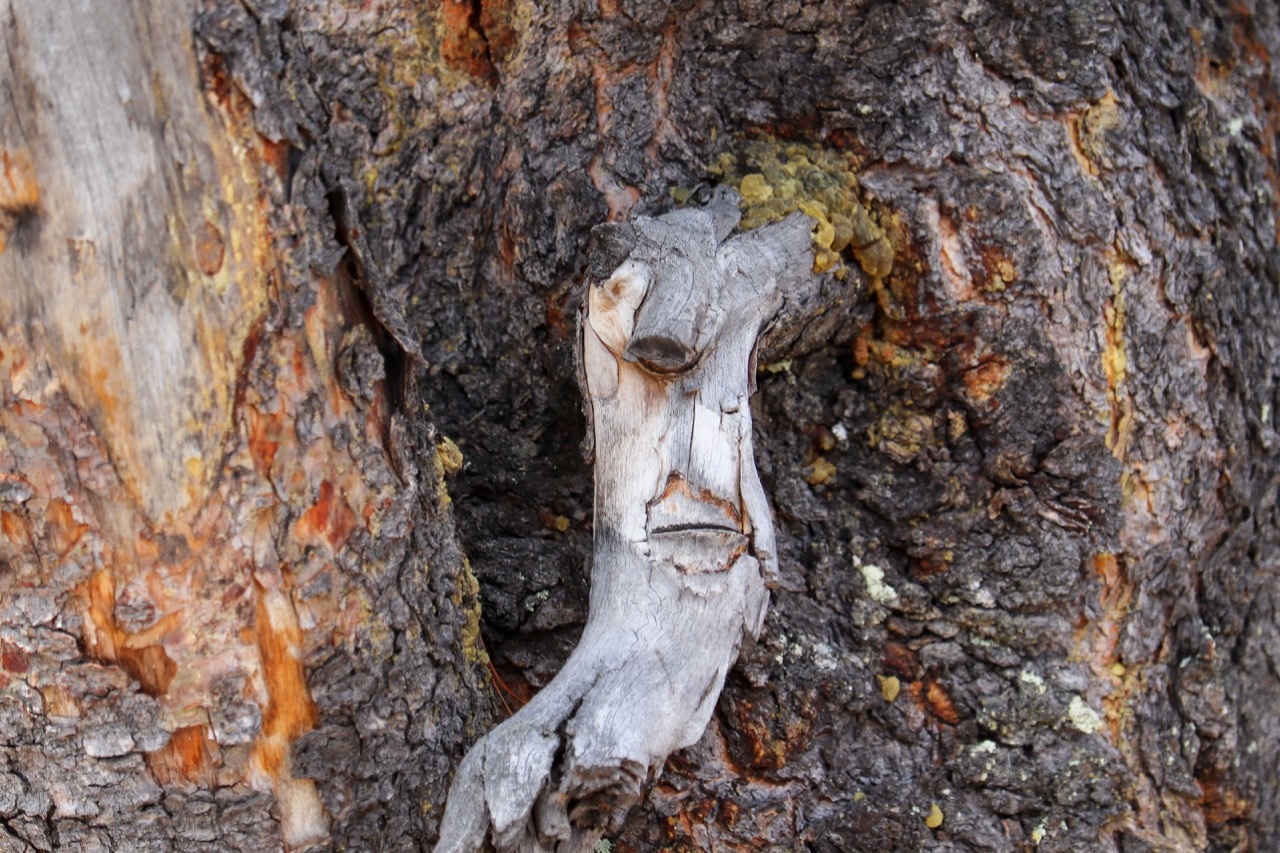
Face in Tree
What Is Pareidolia? The Plain-English Definition
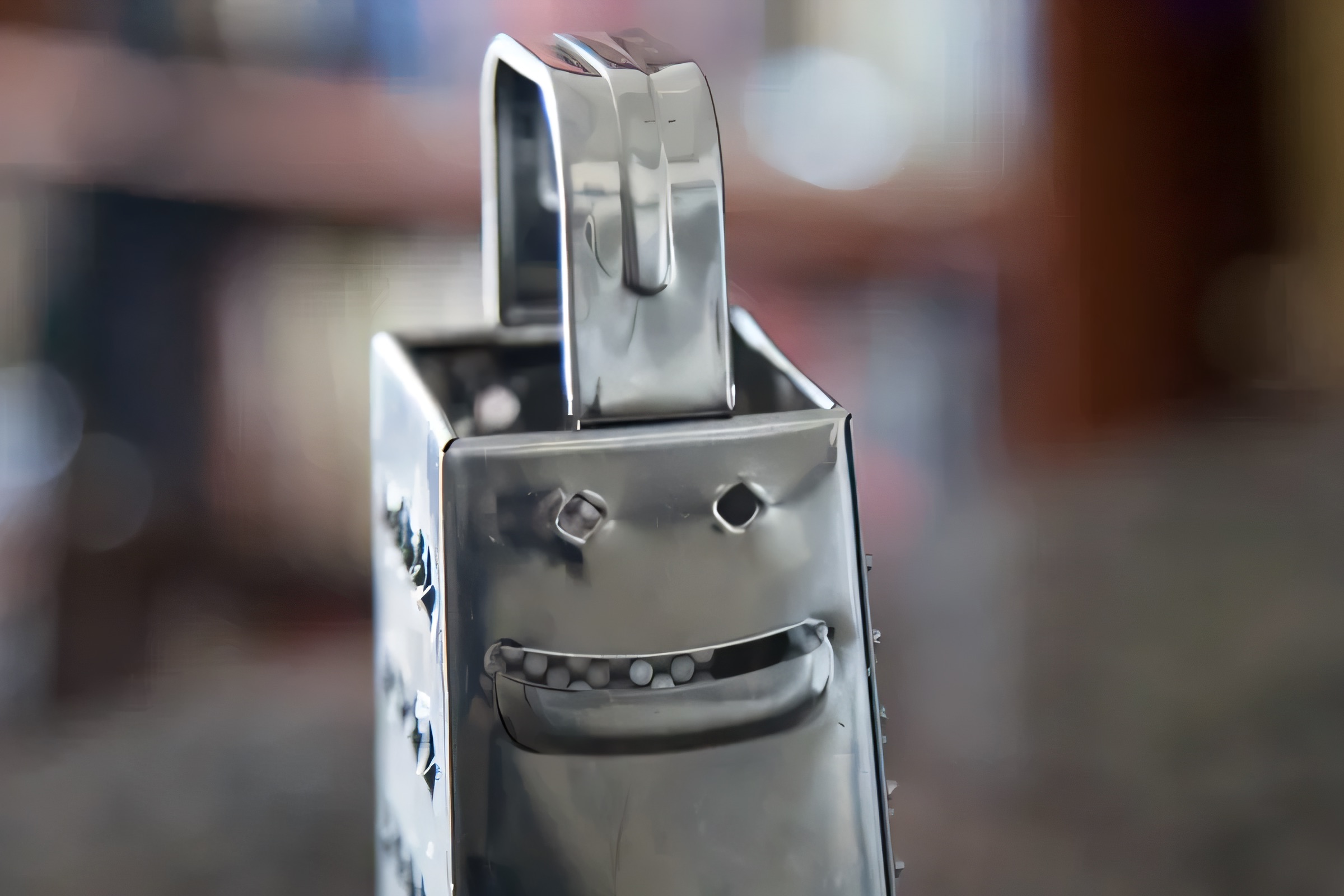
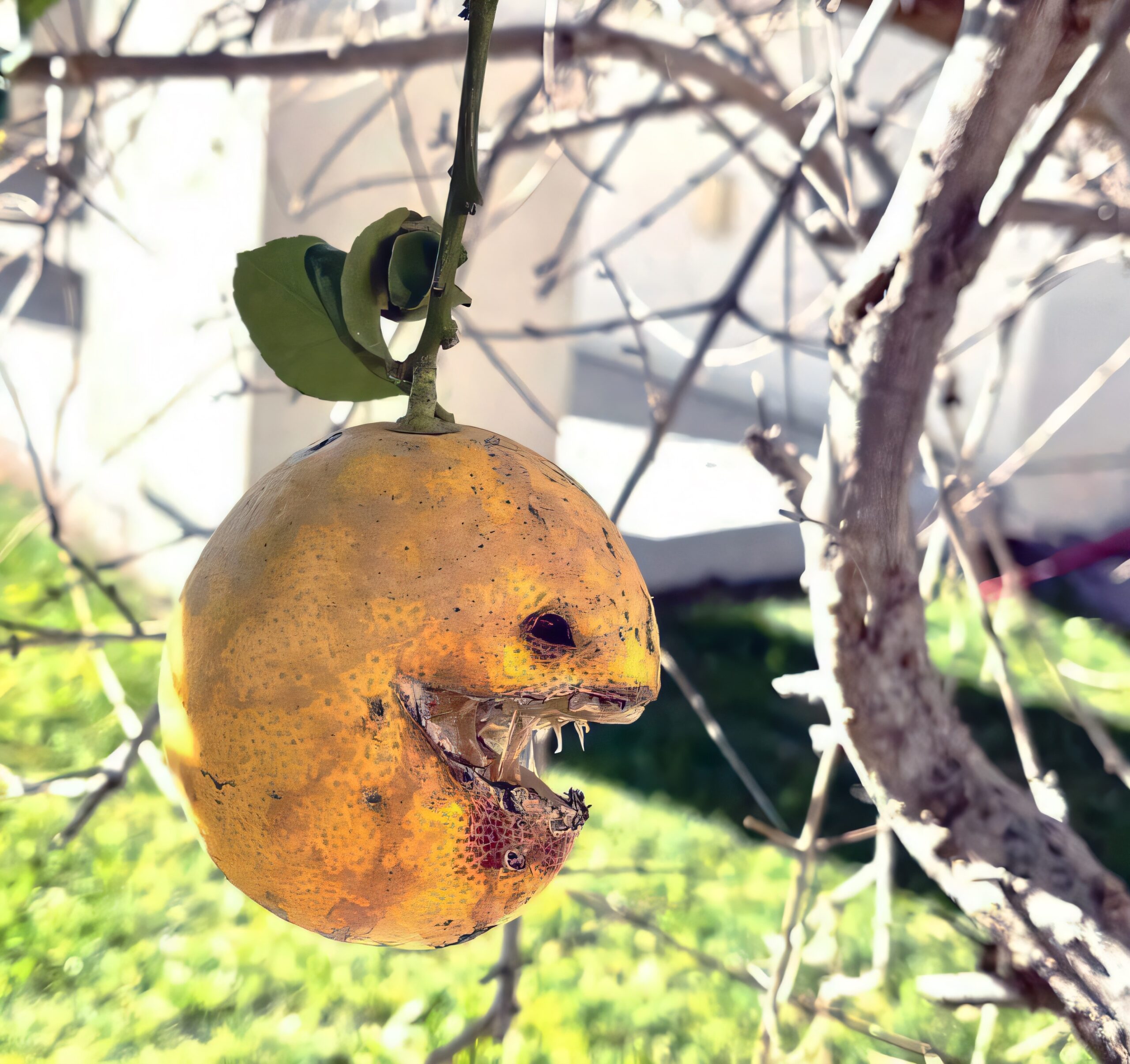
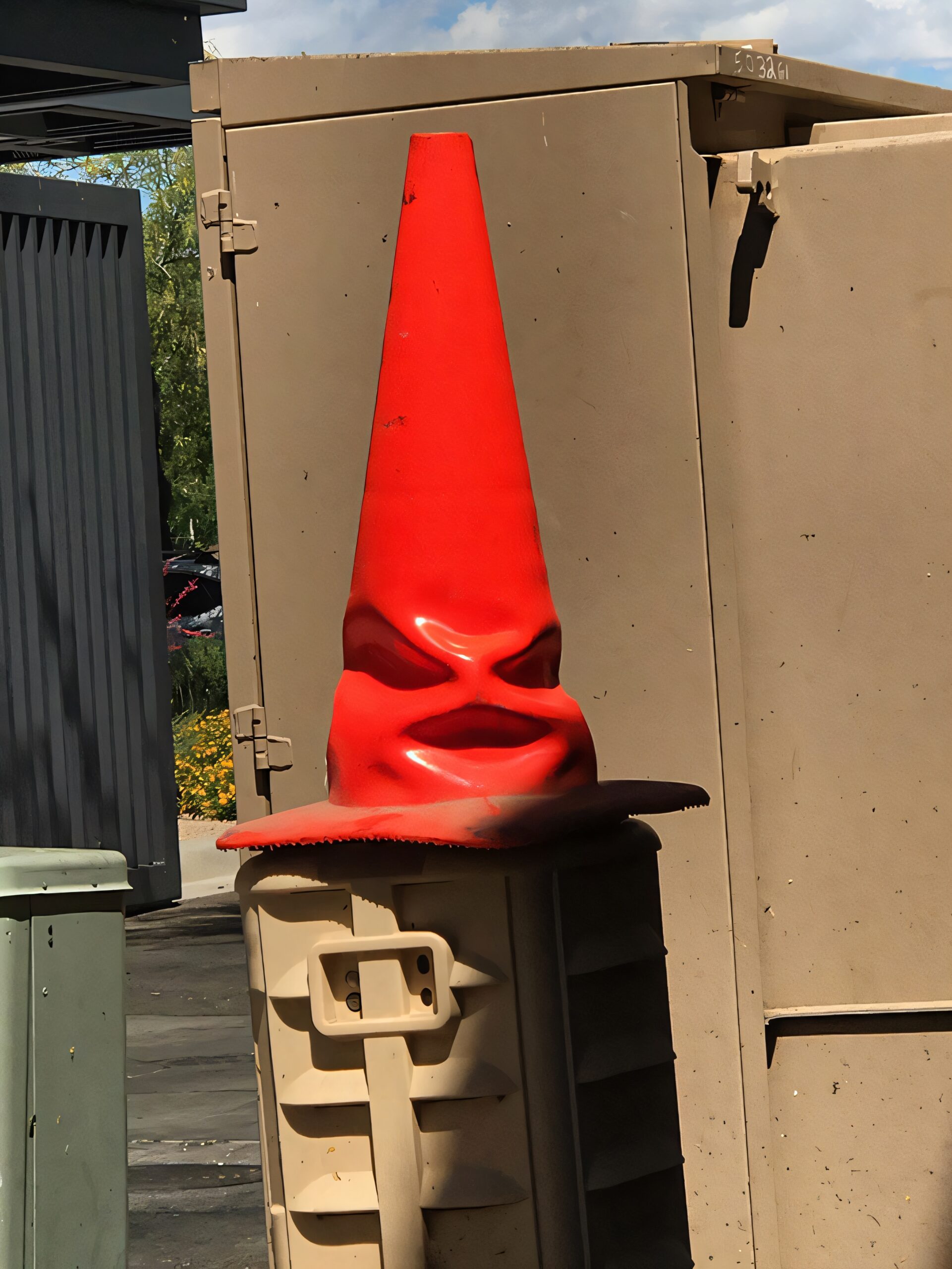
Pareidolia is the tendency to perceive a familiar shape, most often a face, in a random or ambiguous visual pattern. The rock is just a rock. The sink is just a sink. Your visual system finds two dots and a line, files it as a face, and hands you the result before conscious thought gets a vote.
That last part is what makes pareidolia different from imagination. You are not choosing to see the face. Brain imaging work has repeatedly shown that face-like objects activate the same region, the fusiform face area, that lights up for actual human faces, and they do it within roughly 165 milliseconds. Your brain is not making a mistake at the end of a long deliberation. It is making a snap call, and the snap call is the whole point.

If you came here searching for seeing faces in things, or seeing faces on objects, or the phrase you half-remembered and could not spell, this is it. And on the spelling: it is genuinely difficult. Paradolia, paredolia, paridolia and paradoleia are all common attempts, and none of them are right. The word is p-a-r-e-i-d-o-l-i-a, from the Greek para (beside, or instead of) and eidolon (image, or form). Beside the image. Something standing in for a shape that is not really there.
How to Pronounce Pareidolia
Say it pair-eye-DOH-lee-uh. Five syllables, stress on the fourth. In phonetic notation, /ˌpærɪˈdoʊliə/.
The two places people go wrong are the middle and the end. The ei is not a long “ay” sound, it is closer to “eye”. And the ending is three distinct syllables, doh-lee-uh, not the two-syllable “dohl-ya” that most people default to. Broken apart:
pair (like a pair of shoes) · eye (like the thing seeing the face) · DOH (stressed, like the doughnut) · lee · uh
There is a pleasing accident in there. The second syllable of the word for seeing faces is eye. It is not etymologically related, but it makes the word much easier to remember.

Pareidolia vs Apophenia: Framing the Distinction
To distinguish between pareidolia and apophenia, we must first understand their essence. Apophenia is the broad tendency to discern patterns or assign meaning to random, meaningless information. It is an umbrella term, capturing instances across sensory domains: auditory, visual, or otherwise. Pareidolia, on the other hand, represents a specific subset of apophenia, focusing on visual stimuli. It is the inclination to see faces, figures, or objects in otherwise unremarkable arrangements of light, shadow, or texture.
The simplest way to hold the difference: all pareidolia is apophenia, but not all apophenia is pareidolia. Apophenia is the category. Pareidolia is the visual case, and it is by far the most common one, because faces are the pattern our brains are most aggressively tuned to find.
Consider this: the face you perceive in your morning coffee’s frothy surface or the “Man in the Moon” gazing down at us from a cratered celestial body. These are quintessential examples of pareidolia. Meanwhile, hearing your name whispered in the rustle of leaves, or interpreting a meaningful sign from the universe in a random sequence of events, falls under the broader domain of apophenia.
An Evolutionary Legacy: Why Your Brain Sees Faces That Are Not There
These cognitive quirks are not mere errors; they are deeply embedded in our evolutionary heritage. Our ancestors faced a world rife with uncertainty, where identifying patterns could mean the difference between life and death. A rustle in the grass might signal a stalking predator, and a face in the dark could indicate an approaching threat. False positives, erroneously detecting patterns or faces, were less costly than false negatives, where a failure to recognize a genuine threat could prove fatal.

Run the arithmetic the way evolution ran it. Seeing a face in a shadow that turns out to be a branch costs you a startled second. Failing to see a face in a shadow that turns out to be a predator costs you everything you will ever have. When the penalty for one error is a heartbeat and the penalty for the other is extinction, the machinery does not get calibrated for accuracy. It gets calibrated for paranoia, and paranoia is what we inherited.
Thus, evolution favored those who leaned toward overinterpretation. Our brains became exquisitely tuned to find patterns, even where none existed. Pareidolia and apophenia are the cognitive remnants of this survival mechanism, still running at full sensitivity in a world of car grilles and electrical outlets that pose no threat whatsoever.

Auditory Pareidolia: When You Hear Voices in the Noise
Pareidolia is not only visual. Auditory pareidolia is the same machinery applied to sound: hearing speech, music or a familiar voice inside noise that contains none of it.
You have almost certainly experienced it. The bathroom fan that seems to be humming a tune. Your name, apparently called from another room, when nobody spoke. Voices in the static of a badly tuned radio, or in the drone of an aeroplane cabin, or in running water while you are in the shower. The technical name for the musical version is musical ear syndrome, and it is common enough to be unremarkable.
The mechanism is identical to the visual case. Your auditory system is built to extract speech from a noisy environment, because for most of human history failing to hear a warning was fatal and mishearing the wind as a voice was merely embarrassing. So it leans forward. Give it broadband noise, which contains a little of every frequency, and it will find words in there, because words are what it is looking for.

Two things make audio pareidolia stronger. The first is expectation: if someone tells you what the noise says before you hear it, you will hear it, reliably and immediately, and you will struggle to un-hear it afterwards. This is the entire engine behind backmasking claims, ghost-hunting recordings, and the enduring genre of videos captioned “you can’t unhear this.”
The second is fatigue. Tired brains lower their threshold for pattern matching, which is why the voices in the fan tend to show up at two in the morning rather than two in the afternoon. If you find yourself asking whether hearing things in white noise is normal, the answer is a fairly emphatic yes, provided the sounds stop when the noise stops.
Famous Examples of Pareidolia
Some instances of pareidolia have escaped the individual brain entirely and become cultural fixtures. These are the ones everyone has seen, whether or not they knew the word for what they were looking at.
The Man in the Moon. The oldest and most universal example there is. The dark basaltic plains of the lunar maria, formed by ancient volcanic flooding, happen to arrange themselves into something the human visual system reads as a face. Nearly every culture on Earth has found a figure up there, though not always a man. Chinese tradition sees a rabbit. Some Northern European traditions see a man carrying sticks. The pattern is fixed; the interpretation is ours.
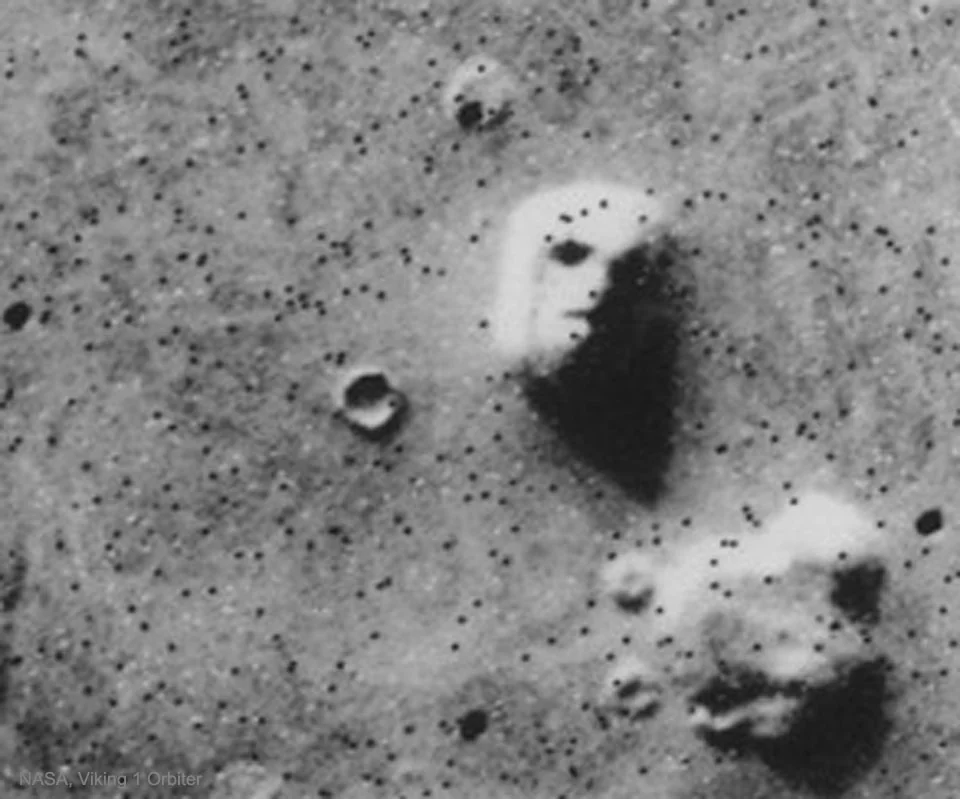
The Face on Mars. In 1976, Viking 1 photographed a mesa in the Cydonia region that looked unmistakably like a carved human face. It launched decades of speculation about ancient Martian civilisations. Higher-resolution imaging in 1998 and 2001 revealed an ordinary eroded hill. The face was shadow, low resolution, and a brain doing what brains do.
Jesus in toast. The entire genre of religious pareidolia, from grilled cheese sandwiches to water stains on underpasses to the grain of a wooden door. In 2004 a decade-old toasted sandwich bearing what its owner considered the face of the Virgin Mary sold on eBay for $28,000, which remains the high-water mark for monetising a cognitive bias.
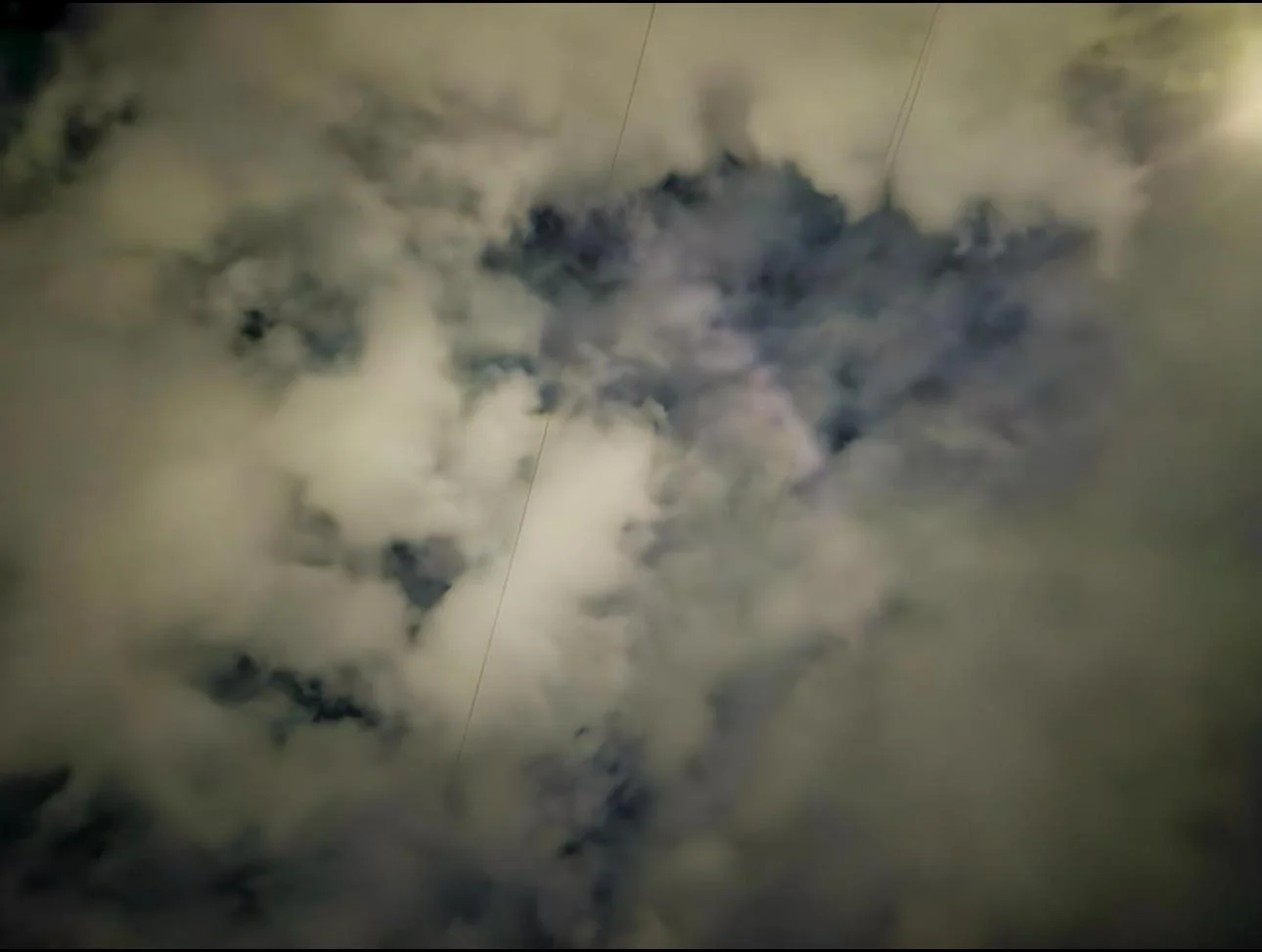
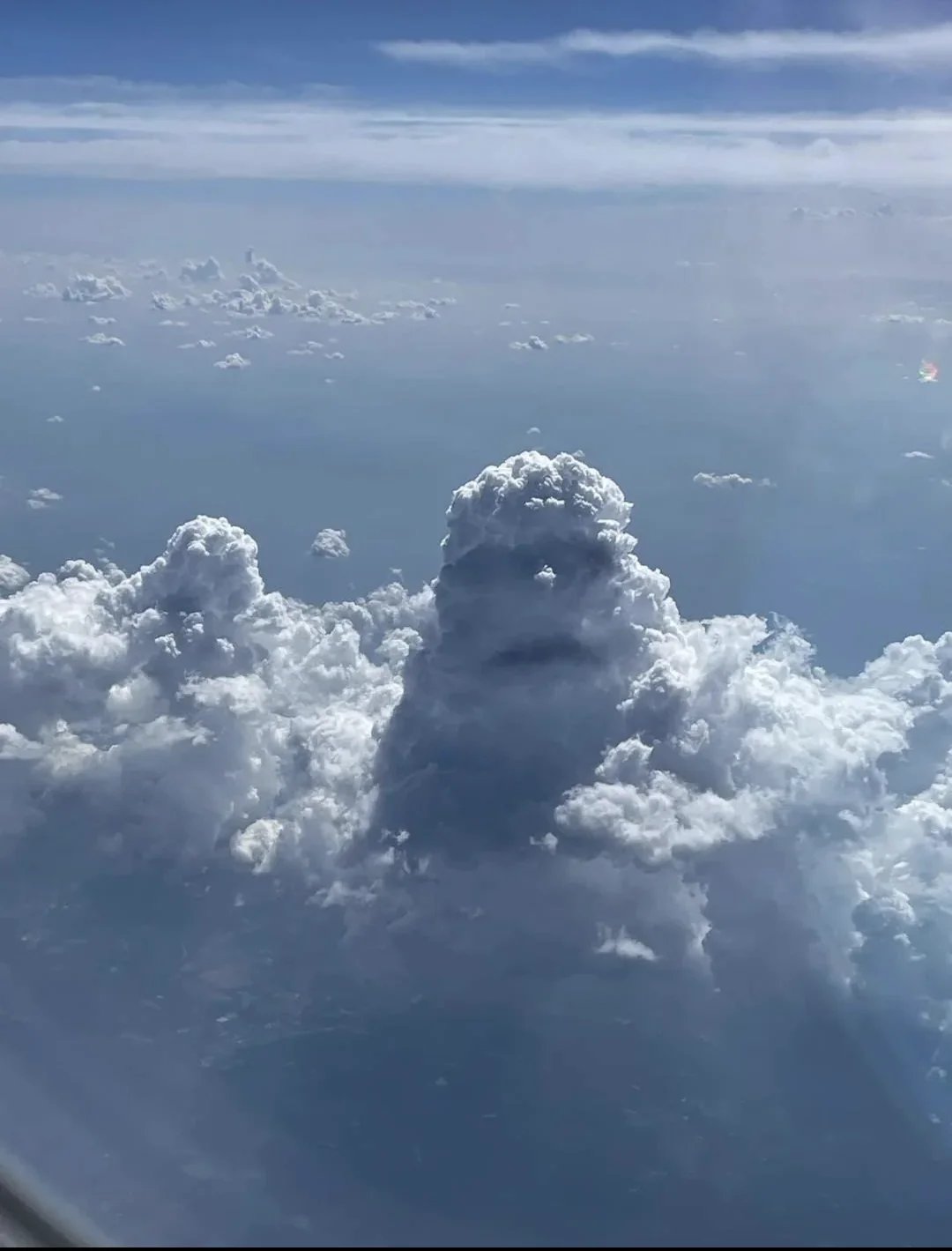
Faces in clouds. The most common and most benign version, and the one children discover first. Cumulus formations shift constantly and contain no edges, which makes them near-perfect raw material: ambiguous enough to accept any interpretation, structured enough to suggest one.

Cars. Not an accident. Automotive designers have understood the face effect for decades and deliberately shape headlights, grilles and bumpers to read as expressions. The aggressive squint of a performance car and the wide-eyed friendliness of a small hatchback are pareidolia weaponised by industrial design, and you respond to them whether or not you notice.
The Double-Edged Sword of Pattern Recognition
While these tendencies once served a clear purpose, they can become maladaptive in the modern world. The human penchant for finding meaning in randomness can lead to fixations that border on delusion. Apophenia, for instance, often underlies belief systems built on unprovable or pseudoscientific claims: astrology, psychic phenomena, or the interpretation of “signs” from the universe. In its extreme, it can manifest as a symptom of mental health conditions such as obsessive-compulsive disorder or schizophrenia.
Pareidolia, though seemingly benign, has its own complications. For some, the constant face-seeing in everyday objects can become an intrusive preoccupation. It also plays into phenomena like conspiracy theories, where random visual or informational patterns are misinterpreted as evidence of hidden agendas.
Is Pareidolia Normal? And Is It a Sign of Intelligence?
Two questions come up constantly, and both deserve a straight answer.
Is pareidolia normal? Yes. It is not a disorder, a symptom, or a warning sign. It is a universal feature of human perception, present in infants within days of birth, and documented in other species. Rhesus macaques show the same response to face-like objects that humans do. If you see faces in things, you have a working visual system rather than a malfunctioning one.
There is a meaningful line, and it is worth naming clearly. Pareidolia means seeing a face-like pattern while knowing it is a pattern. If someone perceives faces or voices and believes they are genuinely present, that is a different phenomenon with a different name, and it is worth discussing with a doctor. The distinction is not how vivid the experience is. It is whether the person knows the sink is a sink.
Is pareidolia a sign of intelligence? This one gets repeated online far more confidently than the evidence supports. There is no established link between how often you see faces in objects and general intelligence. What research does suggest is a link with certain personality traits, notably openness to experience, and some evidence that people higher in neuroticism or in religious and paranormal belief report more of it. Women appear to report face pareidolia slightly more often than men.
A more defensible version of the claim: pareidolia sits close to creativity. The habit of finding a familiar shape in an unfamiliar arrangement is the same habit that produces metaphor, and artists from Leonardo da Vinci onward have recommended it deliberately. Da Vinci advised students to stare at stained walls until figures emerged. That is a creative technique, not an IQ test.
Implications for Modern Understanding
In grappling with pareidolia and apophenia, we uncover profound questions about how humans construct reality. If much of what we perceive is a product of cognitive biases rather than objective truth, how can we trust our senses? The answer lies in cultivating a balance, a recognition that these tendencies are part of our nature, yet not the whole story.
Awareness is the first step toward mastery. By acknowledging our brain’s predispositions, we can approach patterns and meanings with a healthy skepticism. Science, after all, is the structured attempt to discern genuine patterns from the noise, separating the wheat from the chaff of human perception.
The Beauty of the Mirage
Despite their potential pitfalls, pareidolia and apophenia also offer a window into the creativity and wonder of the human mind. They enable us to find beauty in randomness, to see art in the clouds, or a story in the stars. They remind us that even our cognitive flaws can inspire awe and connection.
In the end, pareidolia and apophenia reveal not just how our minds err, but how they dream. They are a testament to the human capacity to impose meaning on an indifferent universe, a survival mechanism that has, over millennia, transformed into a source of art, myth, and imagination. Understanding these phenomena is not merely an academic exercise; it is a step toward understanding ourselves.

Final Reflection
The line between insight and illusion is a delicate one, and it is within this fine tension that the richness of human cognition truly resides. Pareidolia and apophenia, far from being mere cognitive quirks, represent profound expressions of what it means to be human: creatures equipped with minds endlessly searching for meaning, order, and connection in a universe that may ultimately offer none.
These phenomena are not just mistakes in perception; they are reflections of our evolutionary heritage, our creativity, and our need to make sense of the chaos around us. In many ways, it is this relentless search for patterns, for purpose, and for understanding that defines the human experience. Perhaps, in the end, the act of searching itself, this beautiful, flawed, and unending quest for meaning, is the most meaningful pattern of all.
Pareidolia FAQ
What is pareidolia in simple terms?
Pareidolia is seeing a familiar shape, usually a face, in something random: a car grille, a sink, a cloud, a slice of toast. You know the face is not really there, and you see it anyway.
How do you pronounce pareidolia?
Pair-eye-DOH-lee-uh, with the stress on the fourth syllable. Five syllables in total, /ˌpærɪˈdoʊliə/.
Is pareidolia normal?
Yes. It is a universal feature of human perception, present in newborns and documented in other primates. It is not a disorder or a symptom. Seeing faces in objects means your face-detection system is working, not failing.
What is the difference between pareidolia and apophenia?
Apophenia is the broad tendency to find patterns and meaning in random information. Pareidolia is the visual subset of it, specifically seeing familiar shapes such as faces. All pareidolia is apophenia; not all apophenia is pareidolia.
What is auditory pareidolia?
The same effect applied to sound: hearing speech, music or your own name inside noise that contains none, such as a bathroom fan, radio static or running water. It is common and harmless, and it gets stronger when you are tired or when someone tells you in advance what you are supposed to hear.
Is pareidolia a sign of intelligence?
There is no established link to general intelligence, despite how often that claim circulates. Research points instead toward personality traits, particularly openness to experience, and toward a genuine overlap with creative thinking.
What are the most famous examples of pareidolia?
The Man in the Moon, the Face on Mars photographed by Viking 1 in 1976, religious images in toast and water stains, and faces in clouds. Car designers also use the effect deliberately, shaping headlights and grilles to read as expressions.
Why do I see faces in objects all the time?
Because your brain devotes dedicated hardware to face detection and runs it at high sensitivity. Evolutionarily, missing a real face was far more costly than imagining one, so the system was tuned to over-report. Once you learn the word, you will notice it more, which makes it feel like it is increasing when it is only becoming visible to you.
More Pareidolia Examples: Faces in Everyday Objects
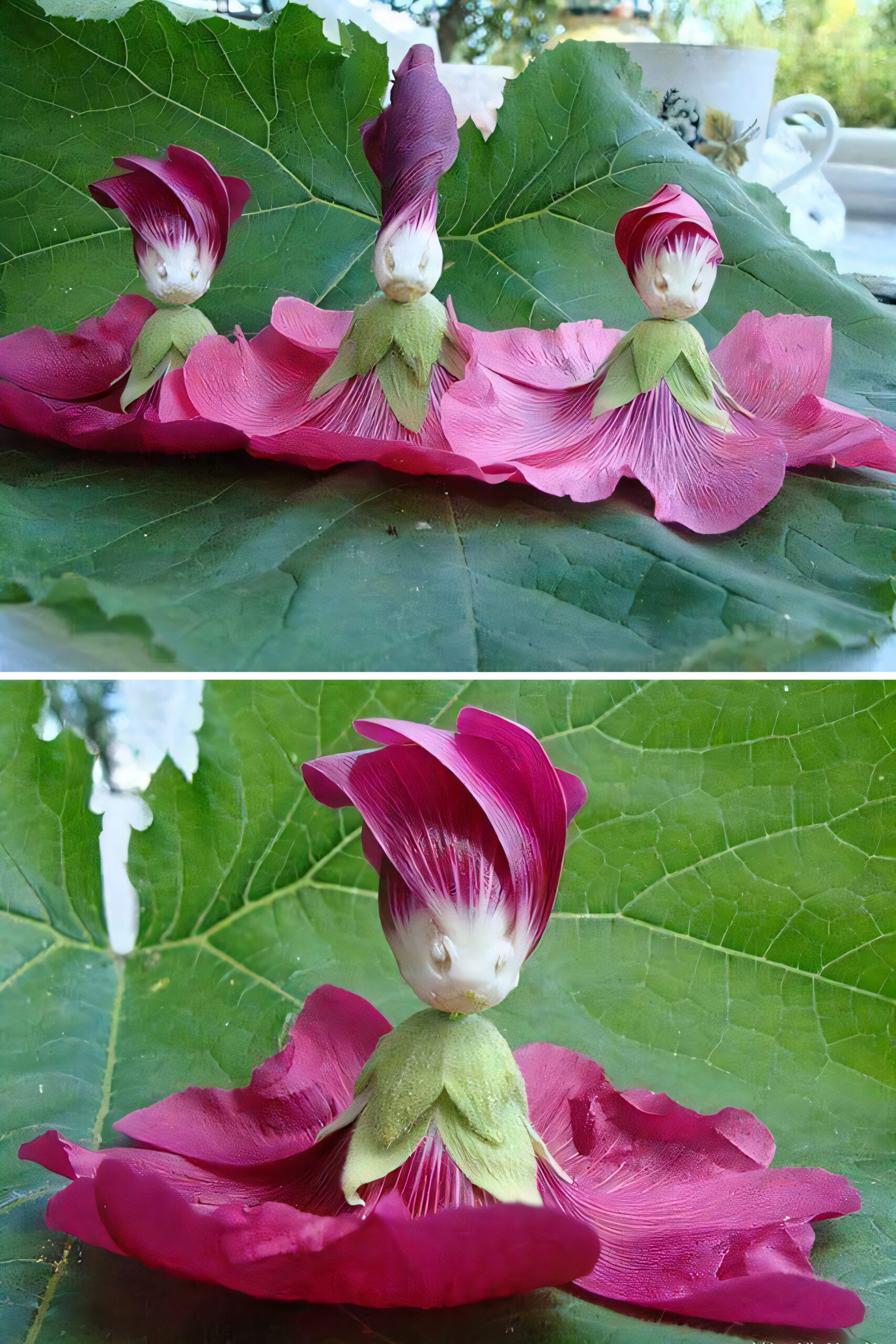
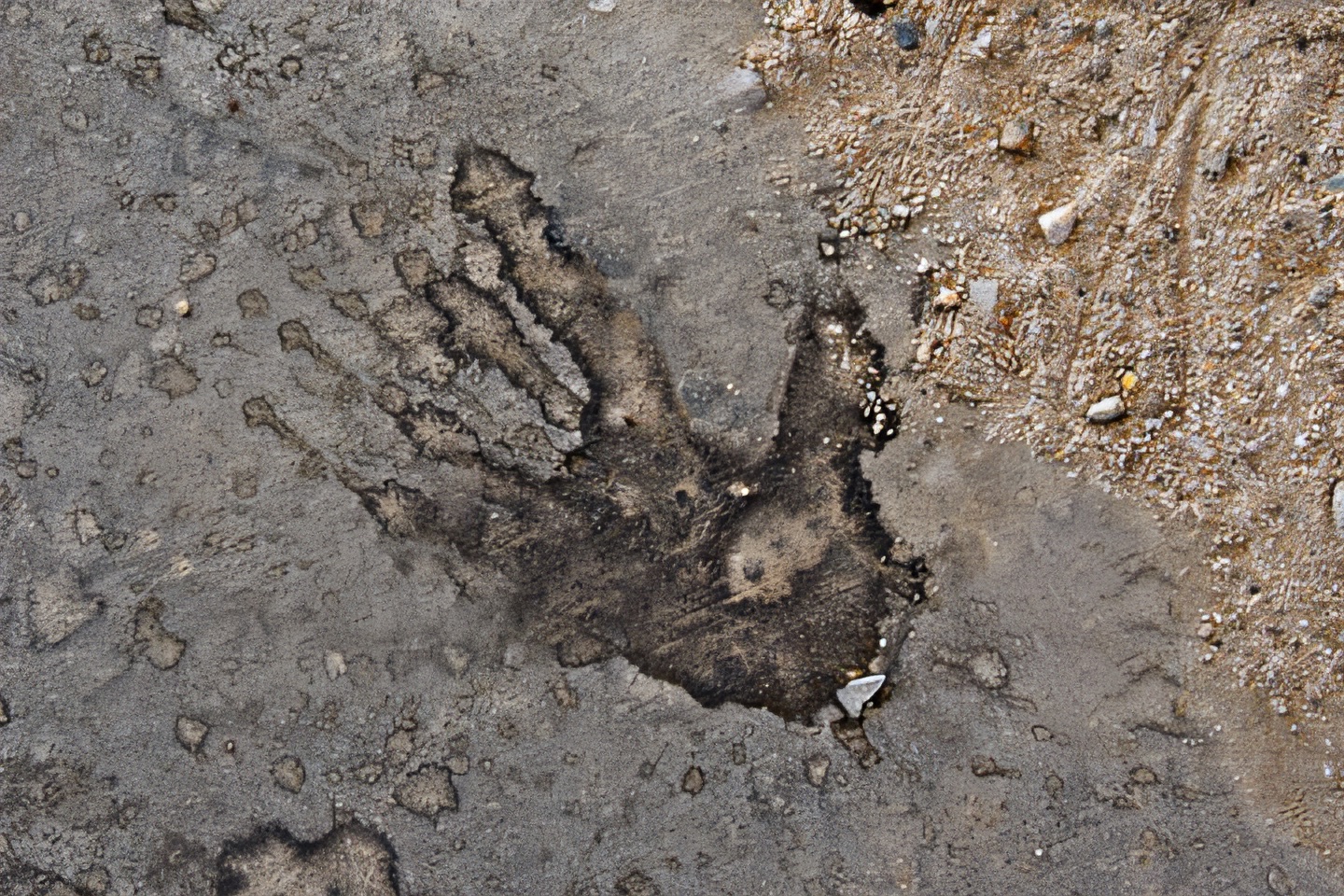
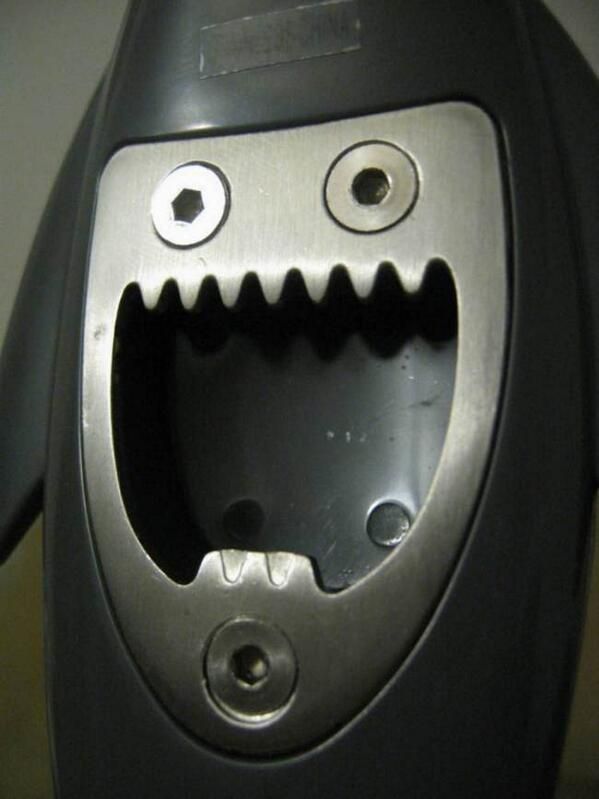
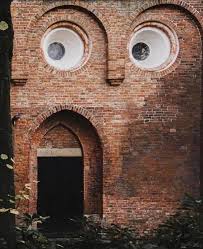
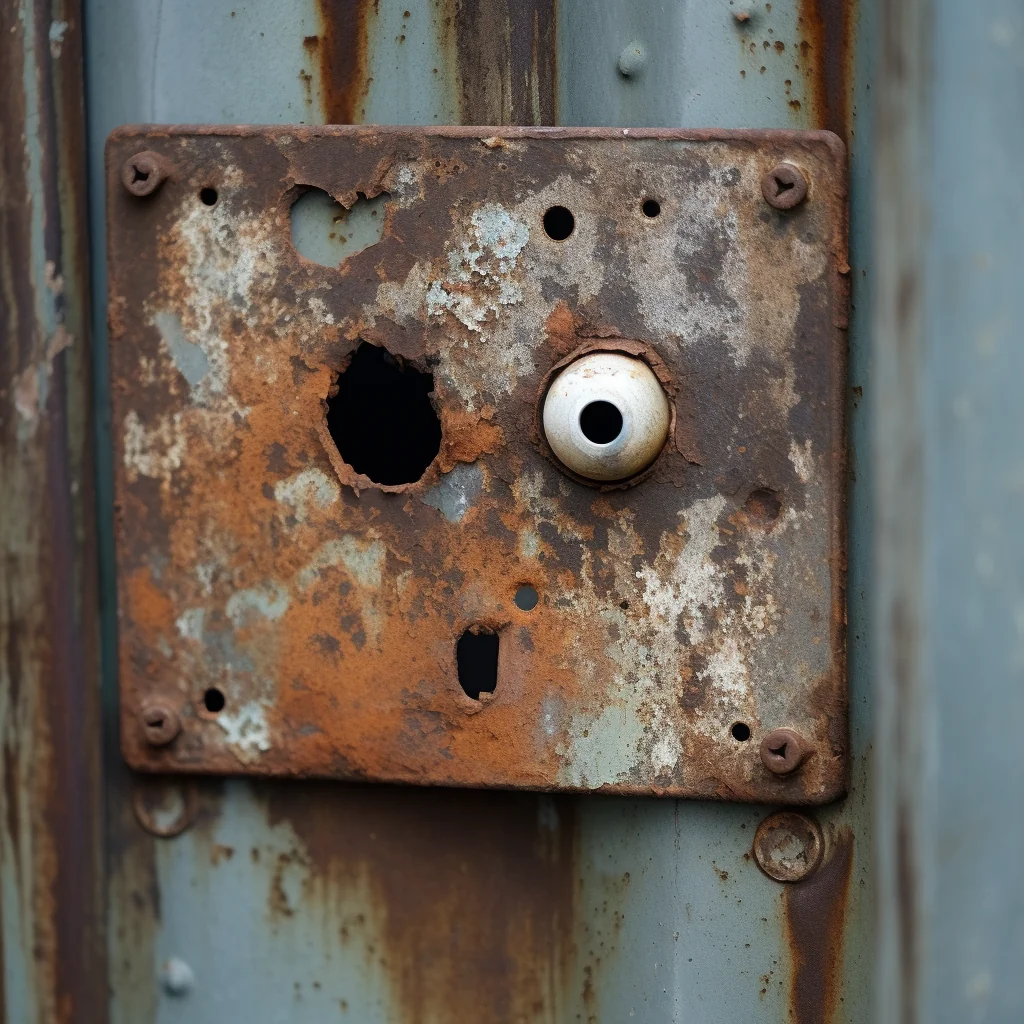
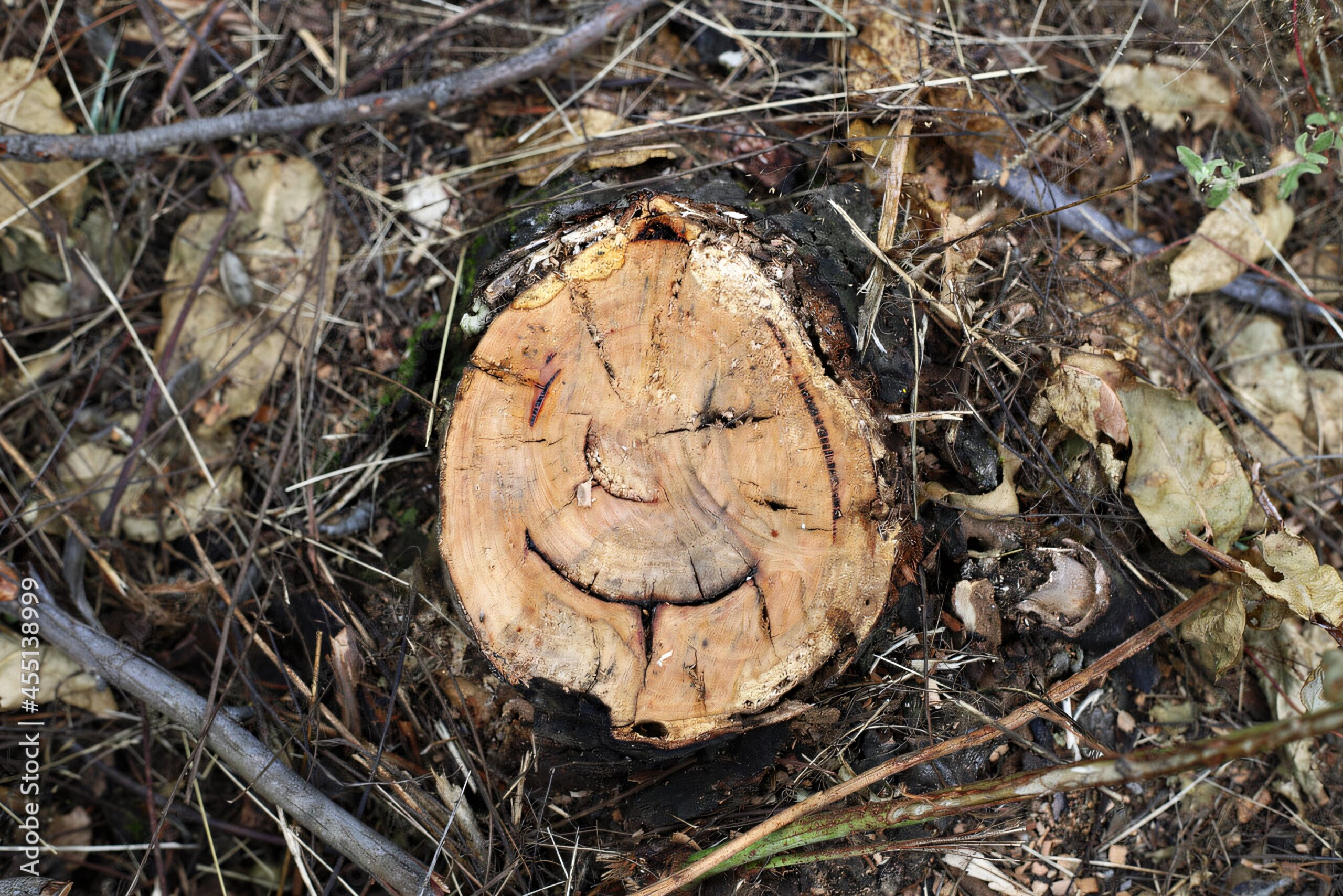
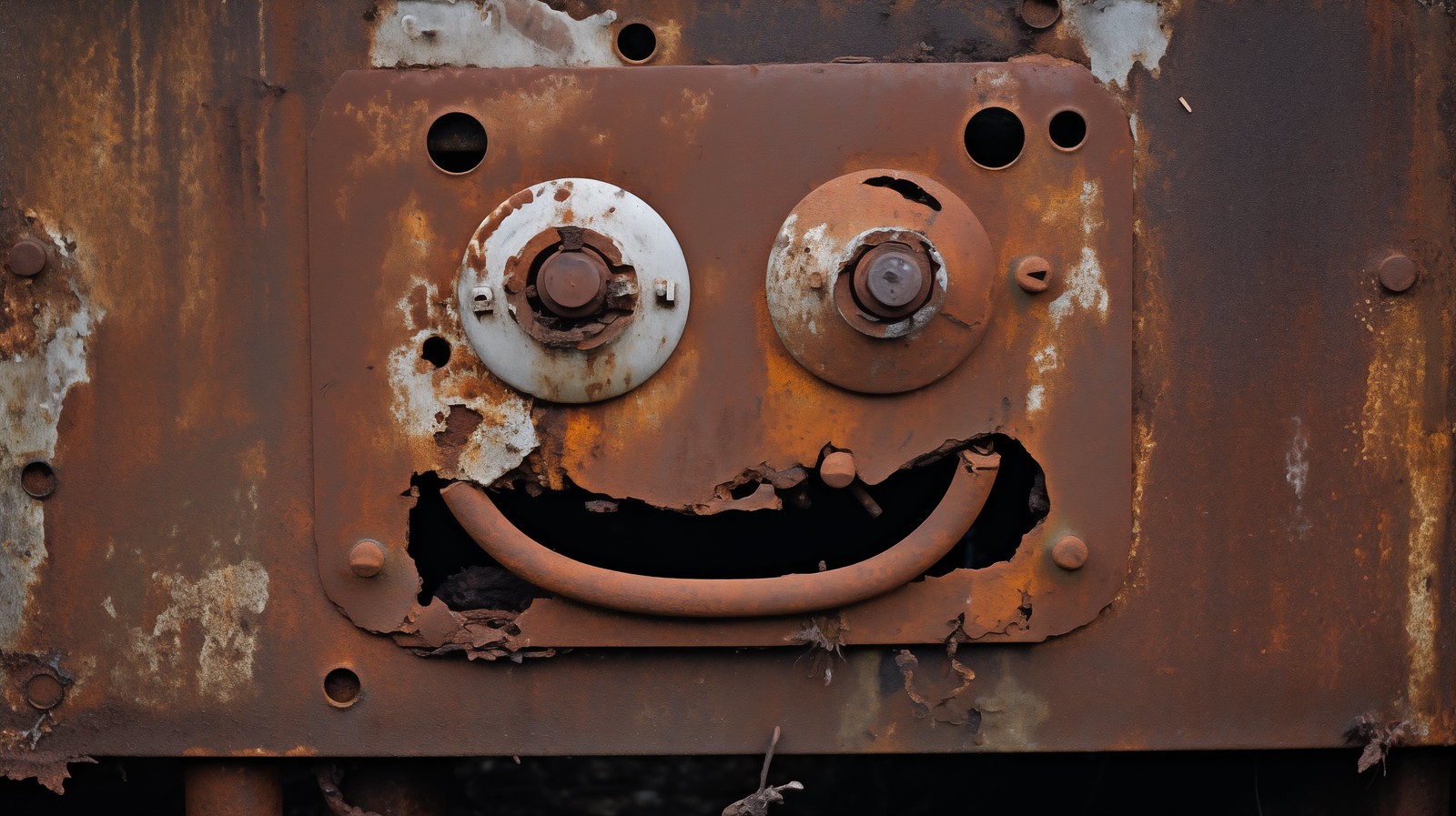
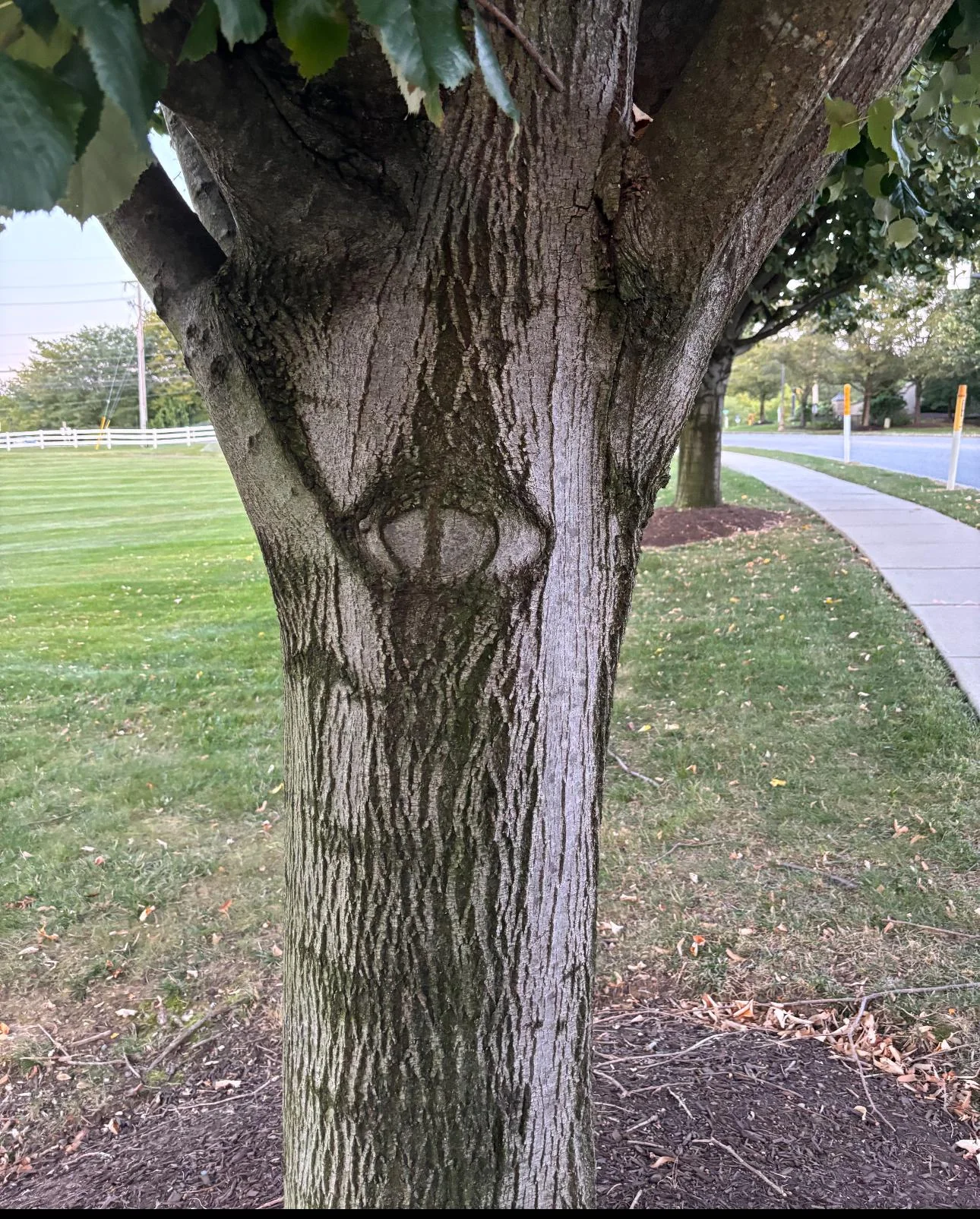
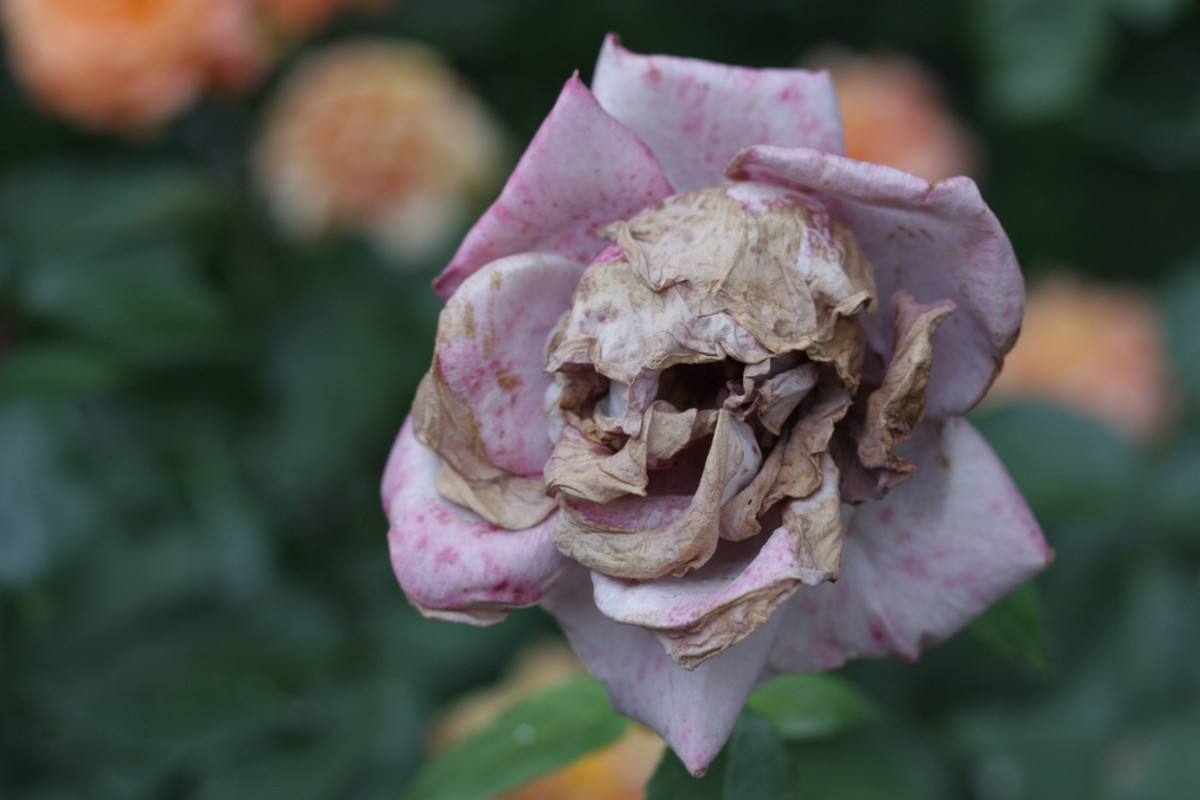
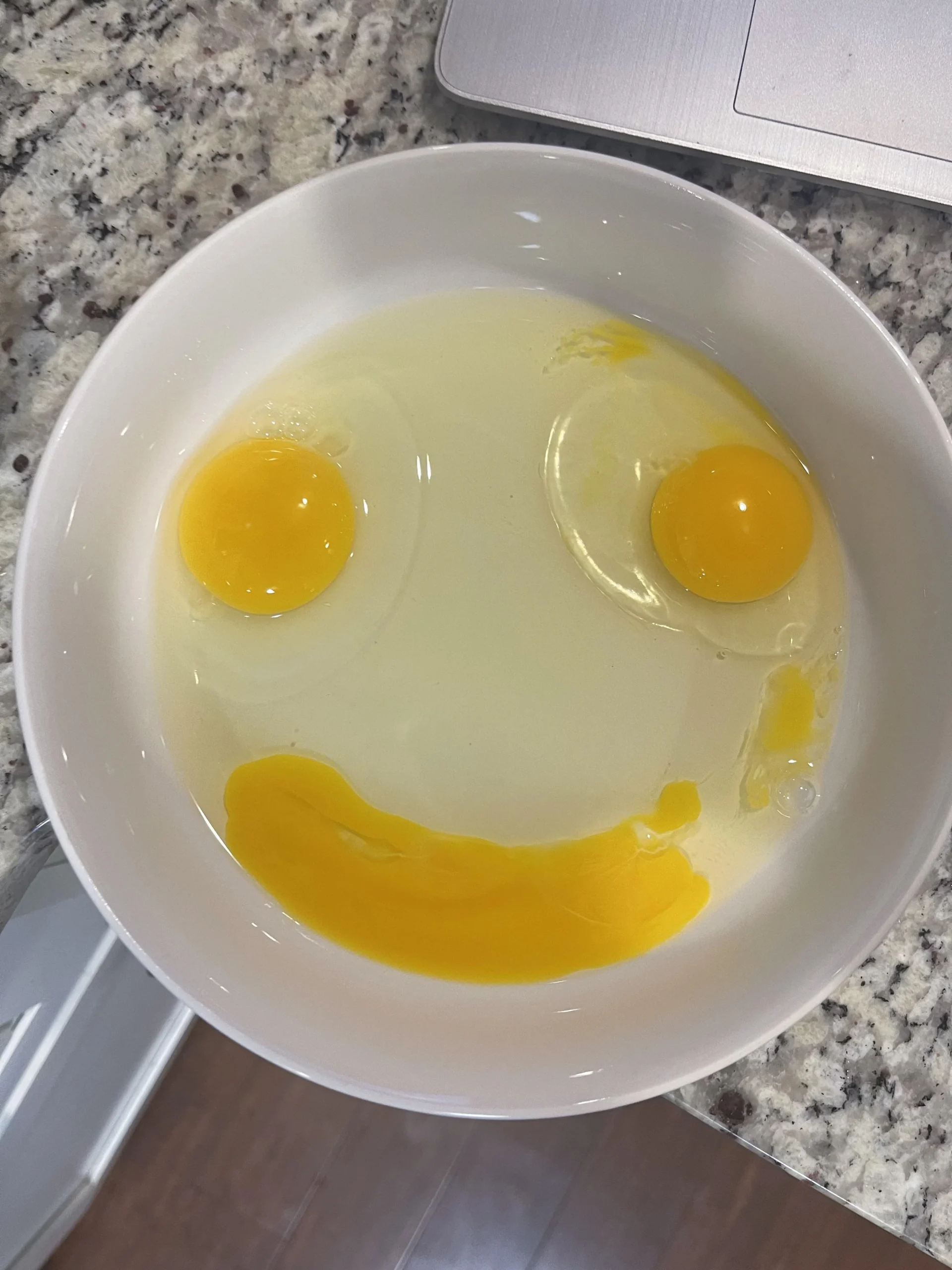
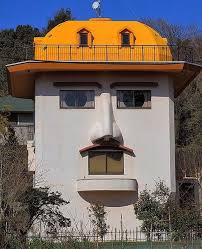
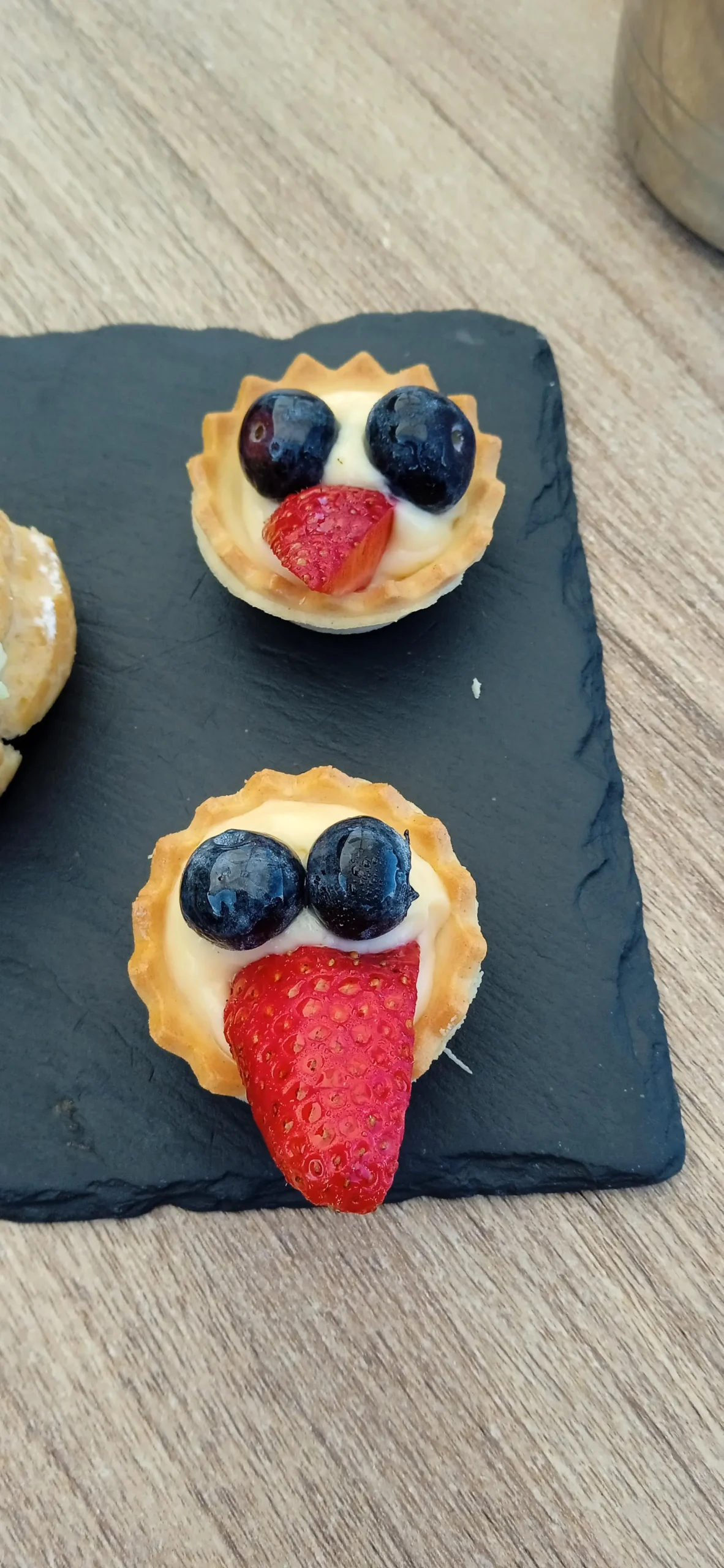
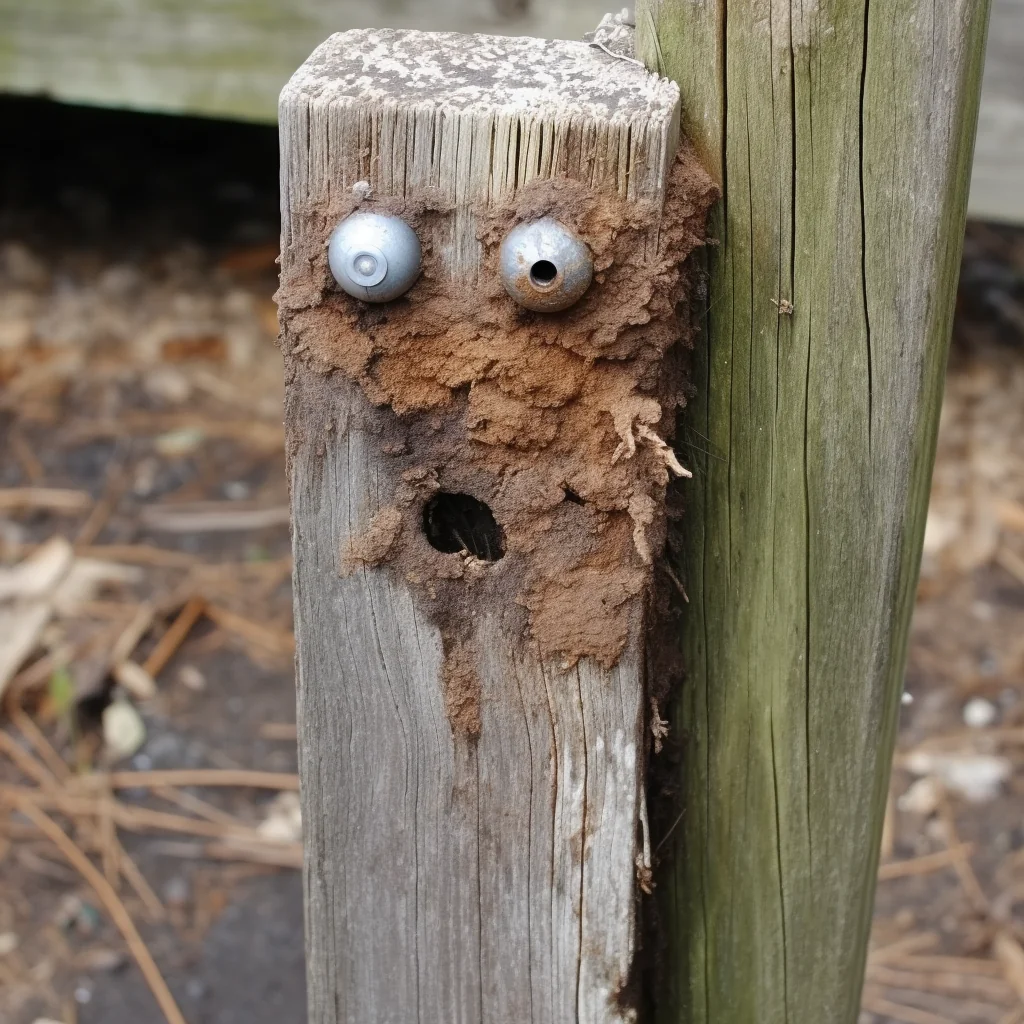
Below are the rest of the images, roughly two dozen more examples of pareidolia in the wild. Sinks, cars, buildings, food, plants, hardware. None of them have faces. All of them have faces.










More from Editor Picks

Garbage Pail Kids Images & Pictures: High-Res GPK Guide
If you’re searching for high resolution Garbage Pail Kids images, or just clear pictures of Garbage Pail Kids you can …
Cartoon Doppelgängers: When Real Life Takes a Detour to Looney Town
Have you ever walked down the street, looked at someone, and thought, “Wait a minute, why does it look like …

Only 1% Get Every Question Right: Are You One of Them?
This quiz doesn’t care about your GPA, your LinkedIn bio, or your self-esteem 💡 It only cares about right answers …