











TL;DR: Pareidolia (say it pair-eye-DOH-lee-uh) is why you see faces in cars, sinks, clouds and coffee foam. It’s a visual form of apophenia, the wider human habit of finding patterns in random information. Face-like objects light up the same brain area as real faces in about 165 milliseconds, it happens to almost everyone (monkeys too), and it evolved because mistaking a shadow for a face cost our ancestors nothing, while missing a real one could cost them everything. It has an auditory version, it isn’t a sign of high IQ, and doctors even use a pareidolia test to help spot one type of dementia.
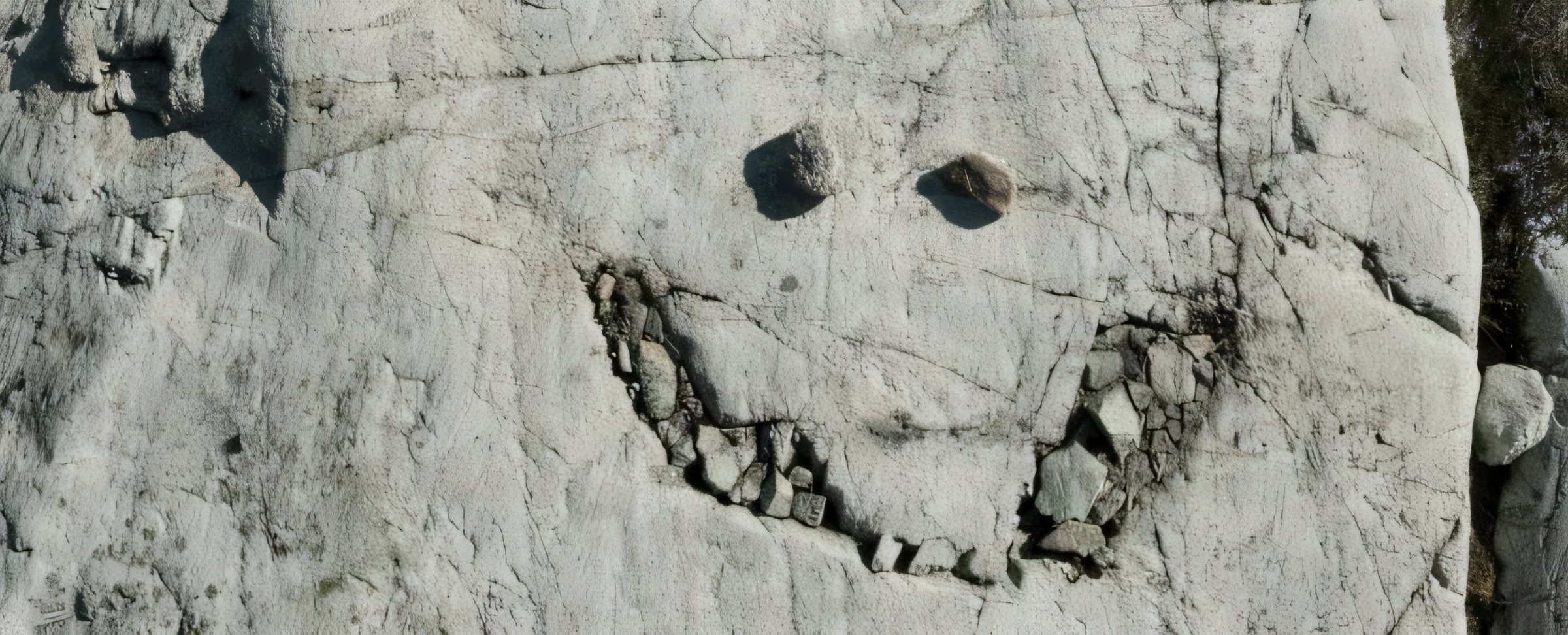
You’ve seen a face in a car’s front grille. In the two slots and a hole of a wall socket. In the froth on your coffee, a cloud, a tree trunk, a bell pepper sliced the wrong way. You know the face isn’t there, and you see it anyway, instantly, before you’ve even decided to look.
There’s a word for that, and it’s pareidolia. Most people have never heard it and almost nobody can spell it. It’s the reason you keep seeing faces in objects that don’t have them, and it’s one of the strangest, most reliable features of the human brain.
Below you’ll find what pareidolia means, how to pronounce it, how it differs from apophenia, why your brain does it, the famous examples, what science says about intelligence and the pareidolia test, and dozens of photos you can stare at until you start seeing faces everywhere yourself.

Coffee Face Smile

Sunflower Face
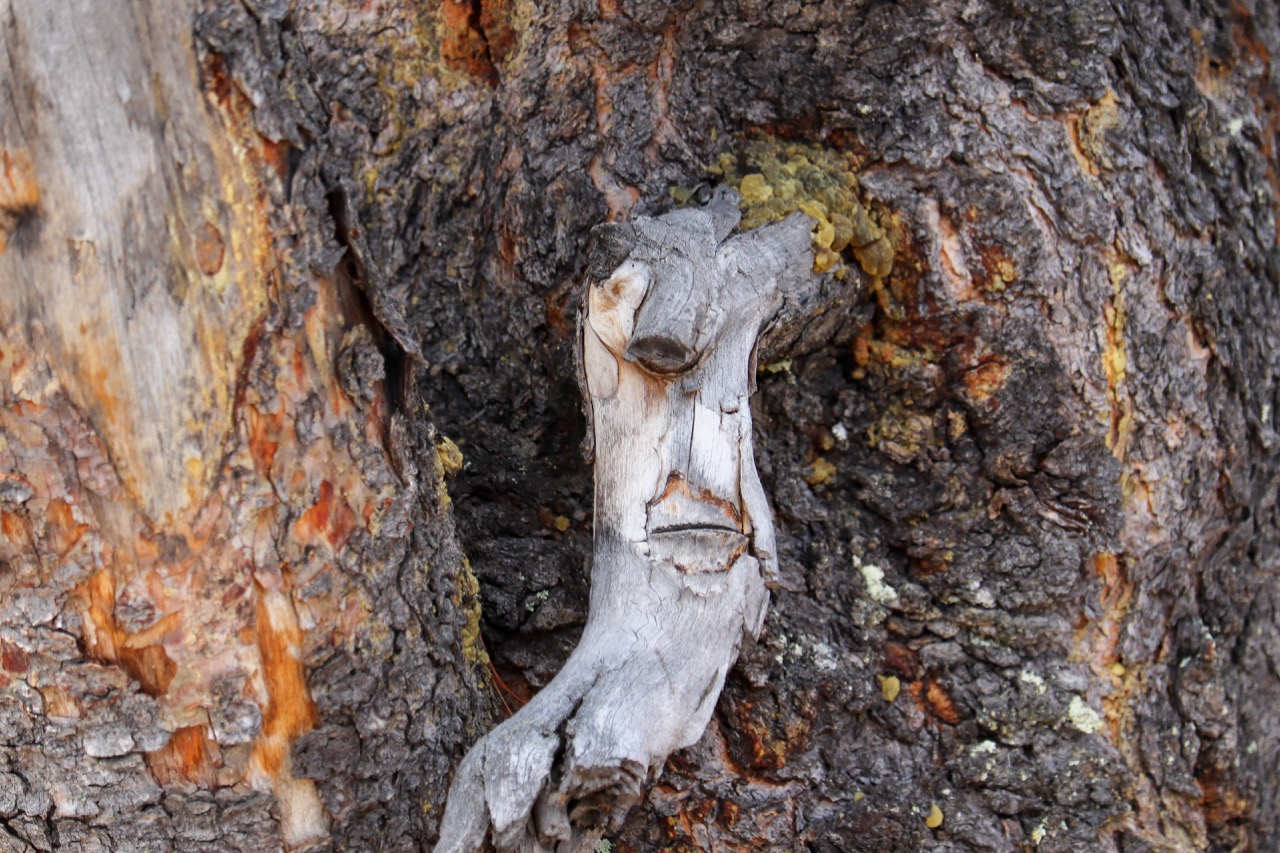
Face in Tree
What Is Pareidolia? The Meaning in Plain English
The rock is just a rock. The sink is just a sink. Your visual system spots two dots over a line, files it under “face,” and hands you the result before conscious thought gets a vote.
That’s what separates pareidolia from imagination. You’re not choosing to see the face. In a 2009 brain-imaging study, Hadjikhani and colleagues found that face-like objects activate the fusiform face area, the region that handles real faces, at about 165 milliseconds. Real faces get there at about 130. Your brain isn’t making a mistake at the end of a long think. It’s making a snap call, and the snap call is the whole point.
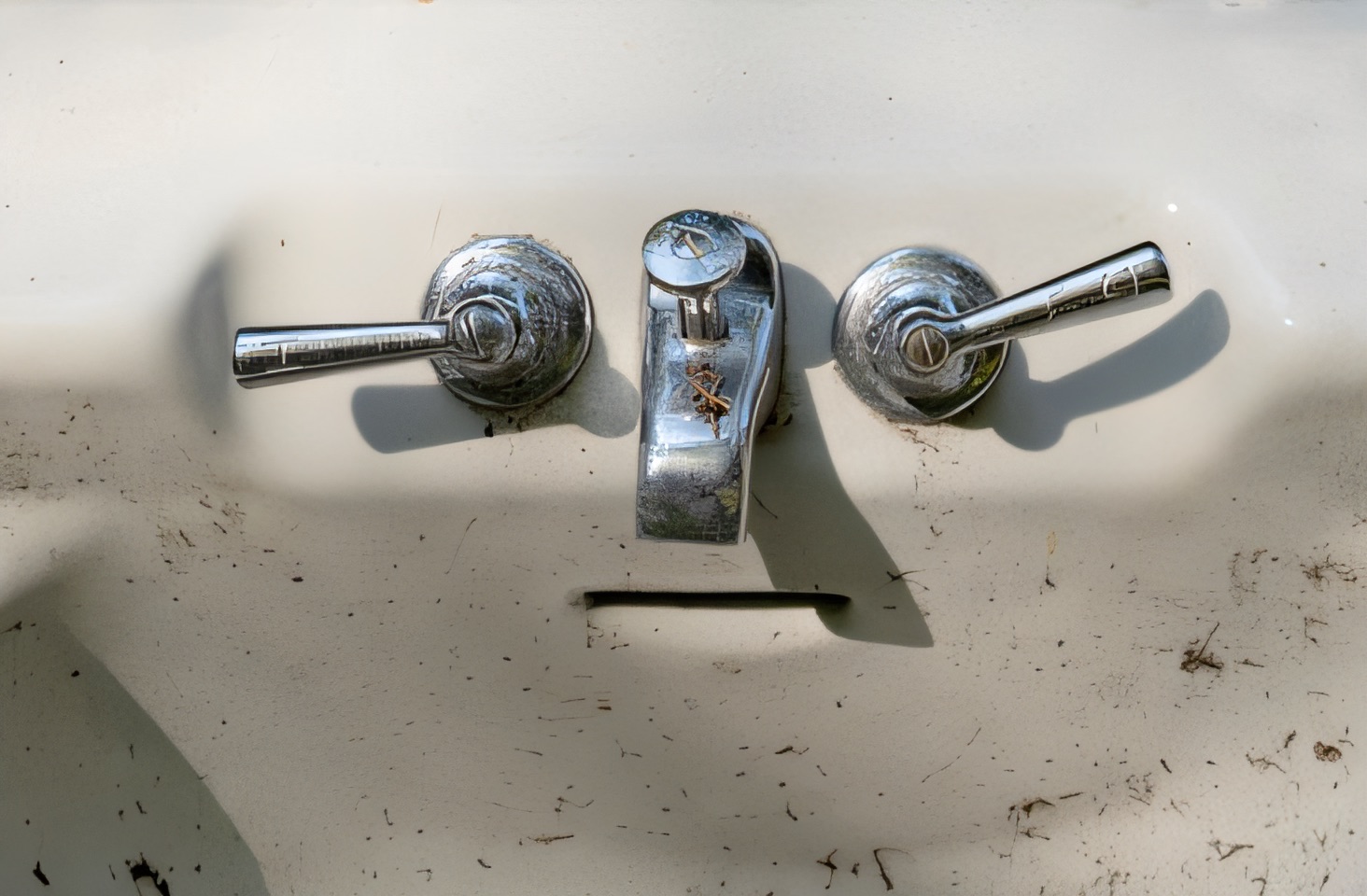
What Is It Called When You See Faces in Objects?
It’s called pareidolia, or more specifically face pareidolia (also facial pareidolia). So if you landed here after searching “seeing faces in things,” “seeing faces in inanimate objects” or a word you half-remembered and couldn’t spell, this is the one you were looking for.
And the spelling really is hard. These are the usual attempts:
The word comes from the Greek para (beside, or instead of) and eidolon (image, form or shape). Beside the image: something standing in for a shape that isn’t really there. The German psychiatrist Karl Ludwig Kahlbaum coined Pareidolie in an 1866 paper on delusions of the senses, and English picked it up a year later.
How to Pronounce Pareidolia (and Apophenia)
Say it pair-eye-DOH-lee-uh. Five syllables, stress on the fourth. In phonetic notation, /ˌpærɪˈdoʊliə/.
People usually trip in two places. The ei isn’t a long “ay,” it’s closer to “eye.” And the ending is three syllables, doh-lee-uh, not the two-syllable “dohl-ya” most people default to.
Here’s a happy accident to help it stick: the second syllable of the word for seeing faces is eye. It isn’t related to the etymology, but it makes the word a lot easier to remember.
Its parent term, apophenia, trips people up too. Say it ap-uh-FEE-nee-uh, with the stress on the third syllable.
Pareidolia vs Apophenia: What’s the Difference?
Apophenia is the broad tendency to find patterns or meaning in random, meaningless information. It’s an umbrella term that covers every sense and every kind of data: sights, sounds, numbers, coincidences. The psychiatrist Klaus Conrad coined it in 1958 while describing the early stages of schizophrenia, but today it describes something everyone does. Michael Shermer later gave it a catchier name: patternicity.
Pareidolia is one specific kind of apophenia: perceiving a meaningful image or sound, usually a face, in a random stimulus.
All pareidolia is apophenia. Not all apophenia is pareidolia.
| Pareidolia | Apophenia | |
|---|---|---|
| What it is | Seeing (or hearing) a familiar form in random input | Finding patterns or meaning in any random information |
| Scope | Narrow: mostly faces, figures and voices | Broad: images, sounds, numbers, events, coincidences |
| Coined by | Karl Ludwig Kahlbaum, 1866 | Klaus Conrad, 1958 |
| Everyday example | A face in your coffee foam | A “lucky” number that keeps showing up |
| Classic examples | Man in the Moon, Face on Mars, Jesus in toast | Gambler’s fallacy, conspiracy theories, “signs” from the universe |
| How they relate | A subset of apophenia | The umbrella category |
So the face in the froth or the Man in the Moon is pareidolia. Believing a slot machine is “due,” or reading a run of coincidences as a message meant just for you, is apophenia. Faces are simply the pattern our brains hunt for hardest, which is why pareidolia is the version everyone notices.
Why Do We See Faces in Things? The Evolutionary Reason
Pareidolia isn’t a glitch. It’s a feature, and evolution built it on purpose. Our ancestors lived in a world where a rustle in the grass might be a predator and a face in the dark might be a rival. Spotting those patterns fast could mean the difference between living and dying.
Run the math the way evolution ran it:
When one error costs a heartbeat and the other costs your life, the system doesn’t get tuned for accuracy. It gets tuned for paranoia, and paranoia is what we inherited. Our face detectors still run at full sensitivity in a world of car grilles and electrical outlets that pose no threat at all.

There’s a neat modern clue that this is about survival. When MIT researchers trained AI models to spot faces in objects, the models got much better at it after first learning to recognize animal faces. The team suggested that’s a hint at where our own pareidolia came from: telling a predator’s face from the background was a life-or-death skill.
The same MIT work found a “Goldilocks zone” for pareidolia. Images that are too simple don’t have enough detail to form a face, and images that are too busy turn into noise. Somewhere in the middle is where faces pop out, which is exactly the texture of rocks, tree bark, clouds and the front of a car.


Auditory Pareidolia: Hearing Voices in the Noise
Pareidolia isn’t only visual. Auditory pareidolia (sometimes called audio pareidolia) is the same machinery applied to sound: hearing speech, music or a familiar voice in noise that contains none of it.
You’ve almost certainly had it happen:
The mechanism mirrors the visual one. Your hearing is built to pull speech out of a noisy world, because for most of human history missing a warning shout was fatal and mishearing the wind was merely embarrassing. Give it broadband noise, which holds a little of every frequency, and it’ll find words in there, because words are what it’s looking for. Psychologist Diana Deutsch has even built sound tracks of overlapping syllables that make listeners hear “phantom words,” which often reflect whatever is on their mind.
Two things crank auditory pareidolia up. The first is expectation. If someone tells you what the noise says before you hear it, you’ll hear it, and you’ll struggle to un-hear it afterward. That’s the engine behind every “you can’t unhear this” video. The second is fatigue. Tired brains lower the bar for pattern matching, which is why the voices in the fan show up at 2 a.m. instead of 2 p.m.
Famous Examples of Pareidolia
Some pareidolia has escaped individual brains and become part of culture. You’ve seen all of these, whether or not you knew the word for them.
The Man in the Moon (or the Moon Rabbit)
The oldest and most universal example. The dark plains of the lunar maria, left behind by ancient volcanic flooding, happen to arrange themselves into something we read as a face. Many Northern Hemisphere cultures see a man. East Asian and some Indigenous American traditions see a rabbit. Germanic, Haida and Latvian traditions see a figure carrying a load. The pattern is fixed; the interpretation is ours.


The Face on Mars
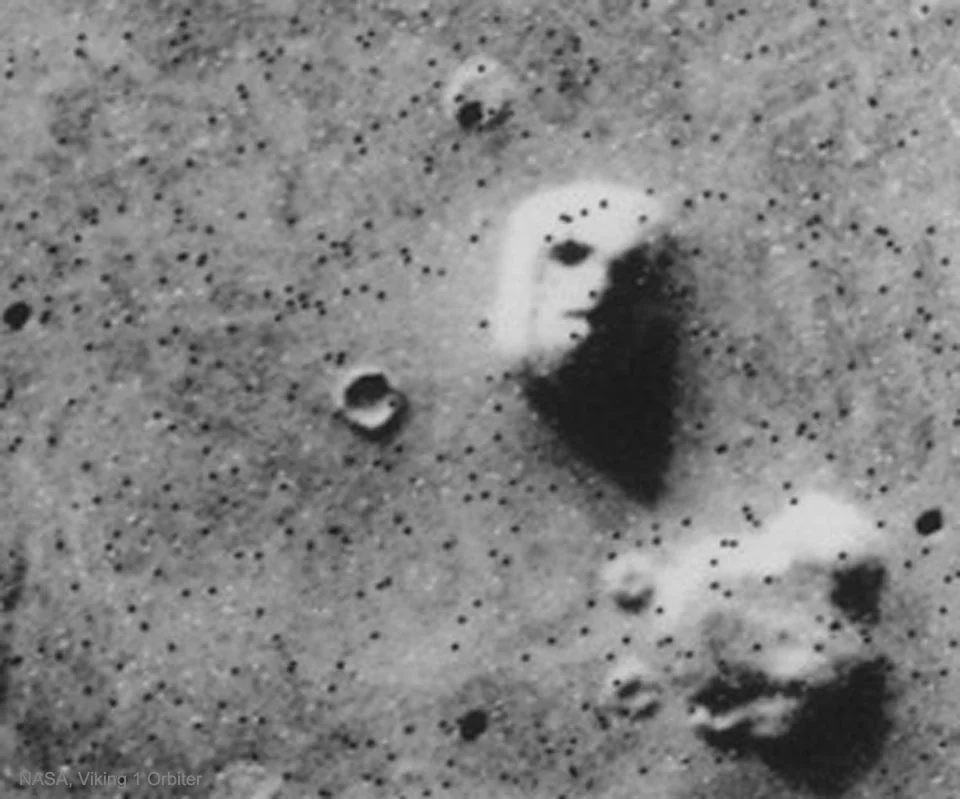
In 1976, NASA’s Viking 1 orbiter photographed a mesa in the Cydonia region that looked uncannily like a carved human face. It fueled decades of talk about ancient Martian civilizations.
Sharper images from Mars Global Surveyor in 1998 and 2001, and later from the HiRISE camera on NASA’s Mars Reconnaissance Orbiter, showed an ordinary eroded hill. The face was shadow, low resolution and a brain doing what brains do.


Jesus in Toast and Other Religious Pareidolia
Grilled cheese sandwiches, water stains on underpasses, the grain of a wooden door: religious pareidolia is its own genre. In November 2004, a 10-year-old grilled cheese sandwich that its owner believed showed the Virgin Mary sold on eBay for $28,000, which is still the high-water mark for cashing in on a cognitive bias.
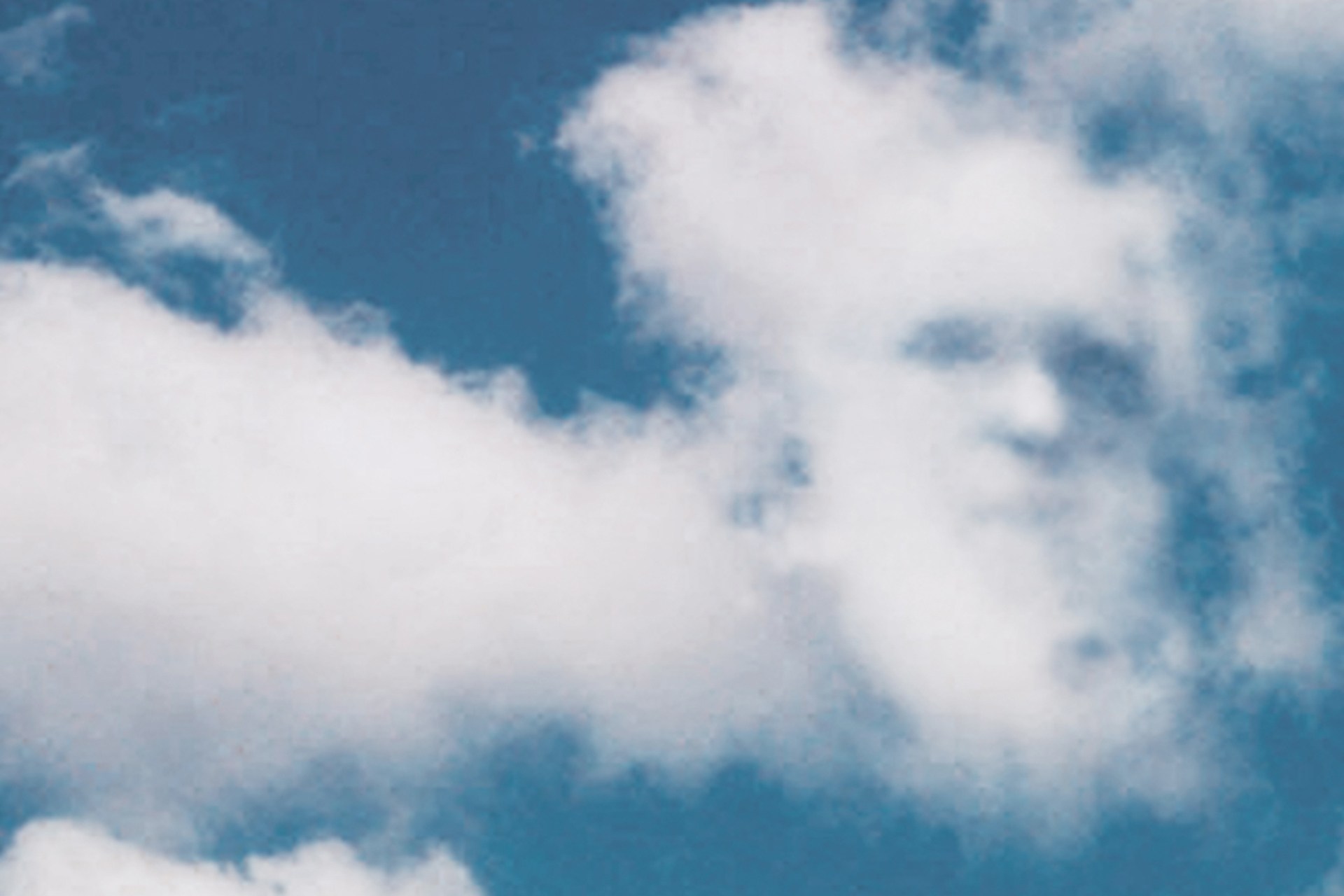
Faces in Clouds
The most common and most harmless version, and the one kids discover first. Clouds shift constantly and have soft edges, which makes them perfect raw material: vague enough to accept any interpretation, structured enough to suggest one.

Cars With Personalities
This one isn’t an accident. Car designers have understood the face effect for decades and shape headlights, grilles and bumpers to read as expressions. The aggressive squint of a sports car and the wide-eyed friendliness of a small hatchback are pareidolia put to work by industrial design, and you react to them whether you notice or not.
The classic case is the Austin-Healey Sprite from the late 1950s. Its headlights sit up on the hood above a wide, grinning grille, and the British nicknamed it the “Frogeye” (Americans went with “Bugeye”). Nobody needed to be told it had a face.

Ghosts, Shadow People and the Rorschach Test
Many “ghost” photos and sightings of shadow people come down to pareidolia: a face in a dark window, a figure in a pattern of light. Psychologists have also used the effect on purpose. The Rorschach inkblot test is a projective test built on pareidolia, using what you see in an ambiguous blot as a window into how you think.

The Devil in the Shawl
Art has a famous case too. Sydney Curnow Vosper’s 1908 painting Salem shows a Welsh widow, Siân Owen, arriving at chapel, and for more than a century viewers have spotted the face of the devil in the folds of her shawl. Vosper always denied painting it on purpose, which is why it’s now usually filed under pareidolia.

Is Pareidolia Normal? Does Everyone Have It?
Yes, and very nearly yes. Pareidolia isn’t a disorder, a symptom or a warning sign. It’s a standard feature of human perception, and we’re not the only ones with it. In a 2017 study, rhesus macaques responded to face-like objects much the way humans do. In people, it shows up early: a 2015 study found that babies around 10 to 12 months old already treat face-like blobs as faces.
If you see faces in things, you have a working face-detection system, not a broken one. Some people notice it more than others, and once you learn the word you’ll spot it constantly. That makes it feel like it’s increasing, when really it’s just becoming visible to you.

Pareidolia vs Hallucination: Where the Line Is
There’s one distinction worth naming clearly. Pareidolia means seeing a face-like pattern while knowing it’s a pattern. If someone sees faces or hears voices and believes they’re truly there, that’s a different experience with a different name, and it’s worth talking to a doctor about. The difference isn’t how vivid it feels. It’s whether you know the sink is a sink.
Is Pareidolia Linked to ADHD or Autism?
Both questions come up a lot, and the honest answer is that there’s no solid evidence that seeing faces in objects is a sign of ADHD or autism. Some research suggests autistic people may be less pulled toward illusory faces, but the findings are mixed. Pareidolia on its own isn’t a diagnostic clue for either.
Is Pareidolia a Gift? The Spiritual Meaning
Plenty of people see faces in objects as a sign or a message, and many artists treat the habit as a gift. From a science standpoint, it’s a normal brain process rather than a supernatural one. But if spotting a smiling face in your morning toast makes you pause and smile back, that’s not a bad thing to have running in the background.

Pareidolia and Intelligence: Is It a Sign of a Smart Brain?
You’ll see this claim all over social media, usually stated far more confidently than the evidence allows. There’s no established link between how often you see faces in objects and general intelligence.
What research does show is more interesting:
A better version of the “intelligence” claim is that pareidolia sits close to creativity. Finding a familiar shape in an unfamiliar arrangement is the same habit that produces metaphor. Leonardo da Vinci told painters to stare at stained, mottled walls until landscapes, figures and faces emerged, then develop them into finished scenes. That’s a creative technique, not an IQ test.
Some painters went further and built pareidolia into the work itself. In the 1500s, Giuseppe Arcimboldo painted portraits made entirely of fruit, vegetables, fish and books. Up close it’s a pile of stuff. Step back and your brain insists it’s a person.

The Pareidolia Test: How Scientists and Doctors Measure It
There’s a real, clinical pareidolia test, and it’s not a social media quiz. The noise pareidolia test, developed by Yokoi and colleagues in 2014, shows people 40 black-and-white images of visual static. Only 8 actually contain a face. People say where they see a face, and the score counts how many faces they “find” in the 32 empty images.
Why bother? Seeing lots of illusory faces in that test is linked to visual hallucinations in dementia with Lewy bodies, and the test helps doctors tell it apart from Alzheimer’s disease. In one study it took about five and a half minutes and correctly ruled out Lewy body dementia in 92% of the Alzheimer’s patients, though it flagged only about 60% of the Lewy body cases. It’s a screening aid used alongside other assessments, not a diagnosis on its own.
A Pareidolia Test You Can Try at Home
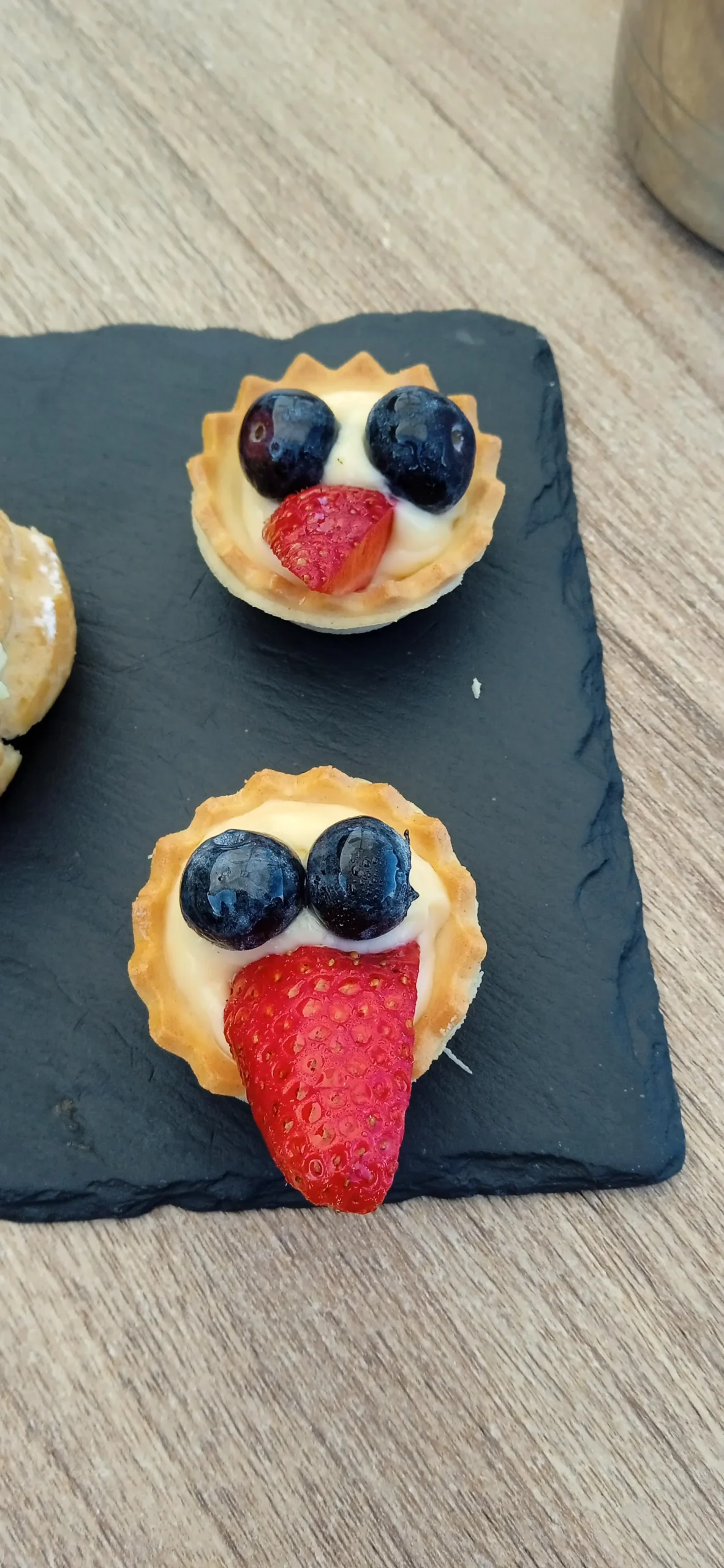
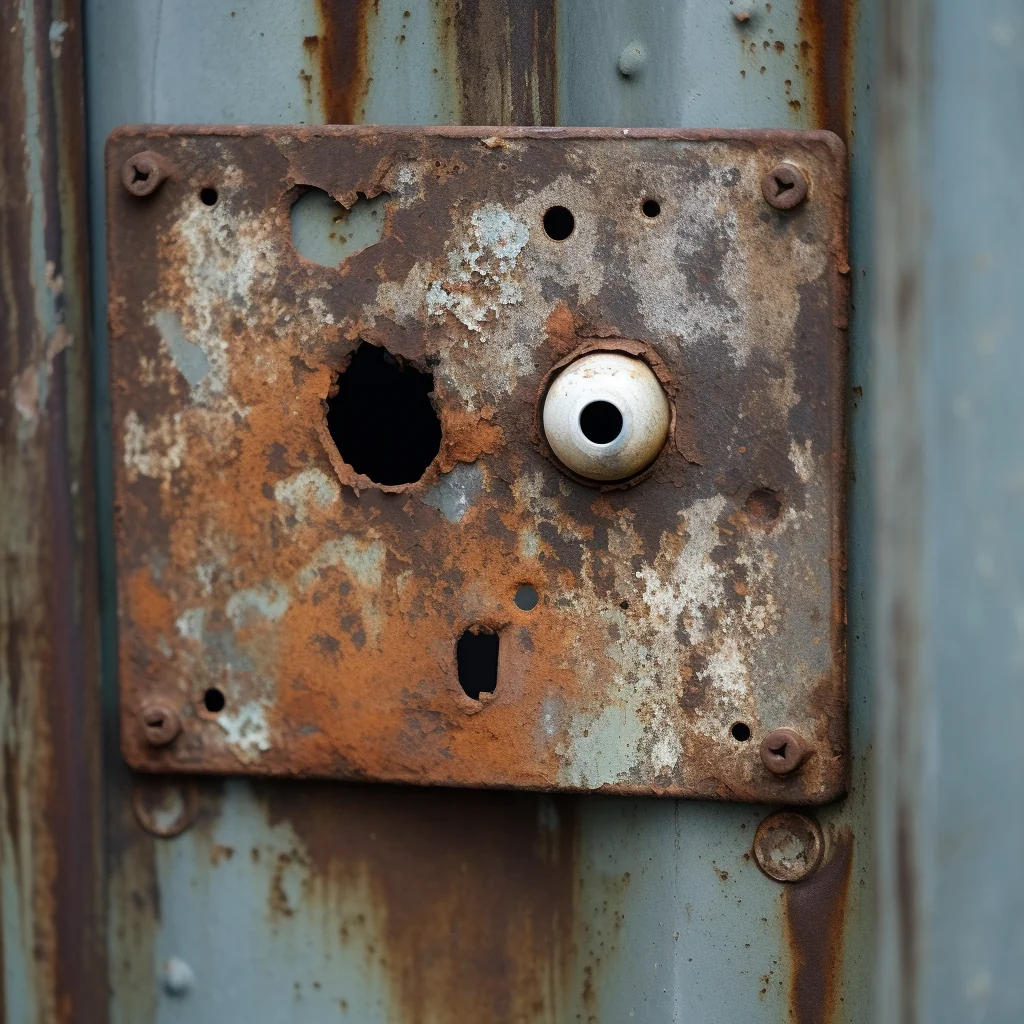
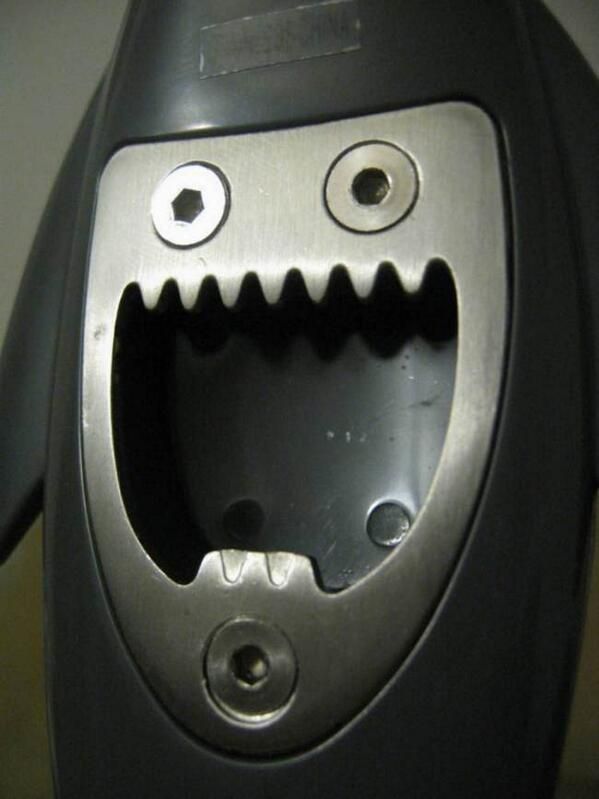
This isn’t scientific, just fun. Look around you right now and try to find a face in each of these within ten seconds:
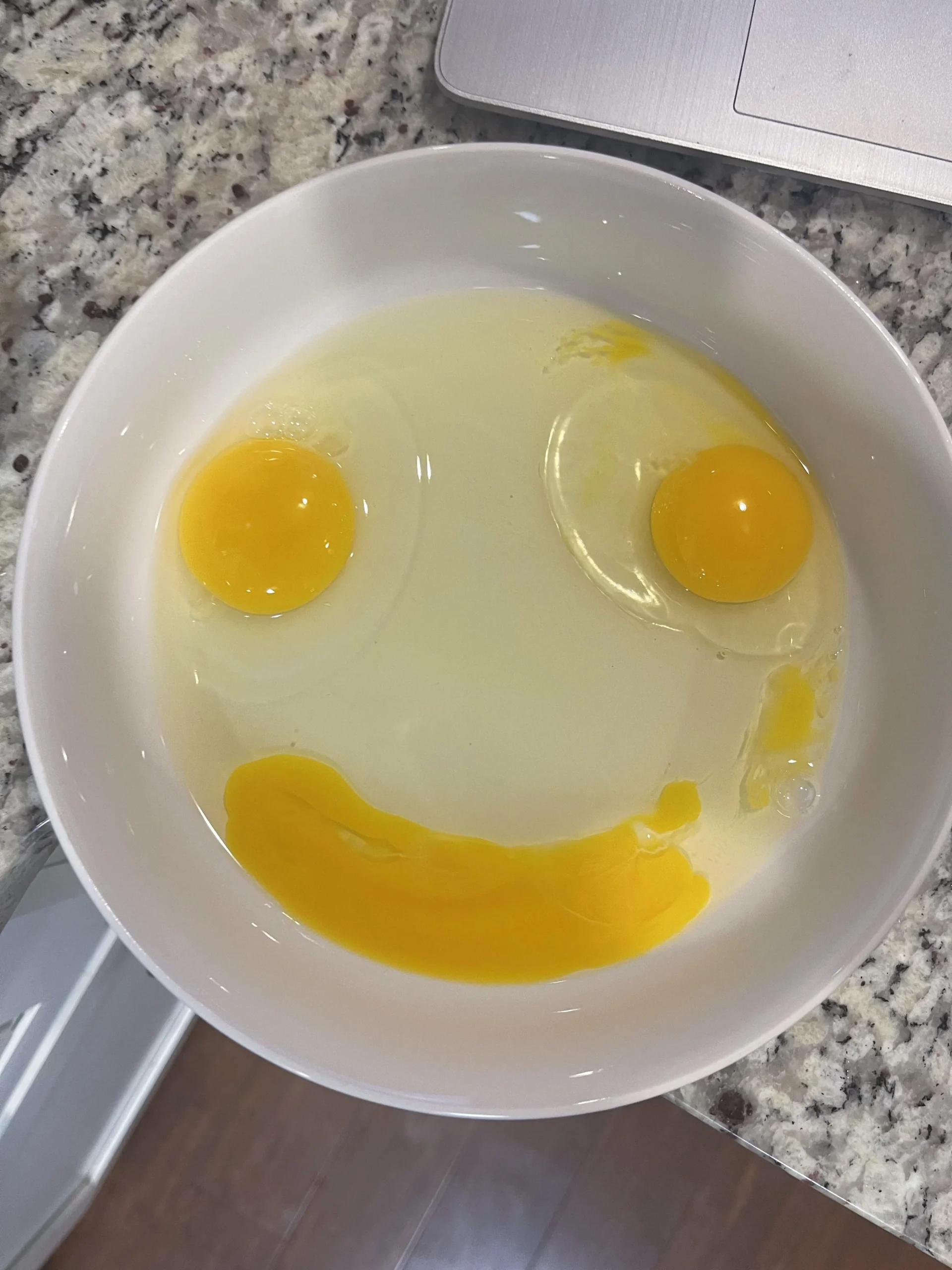
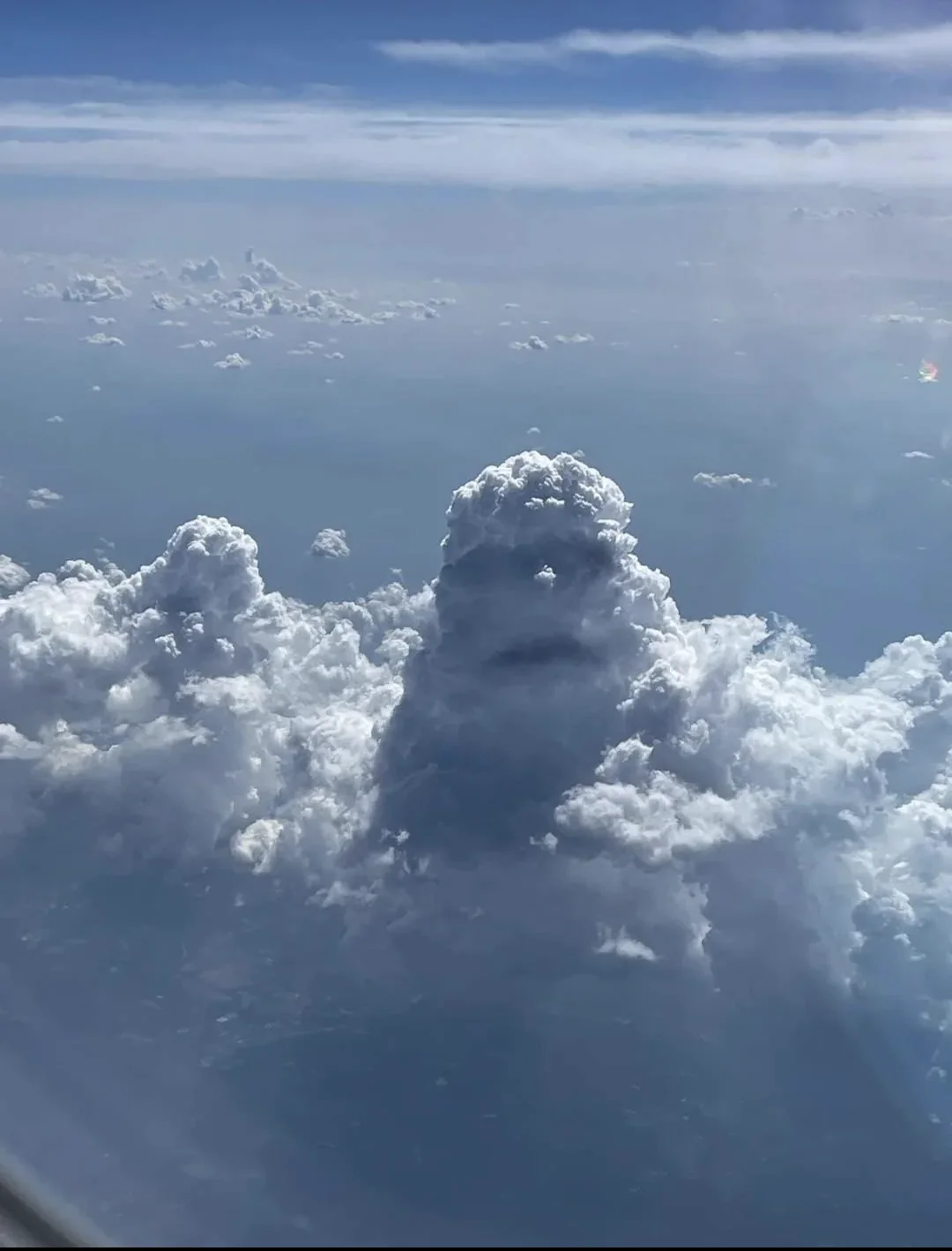
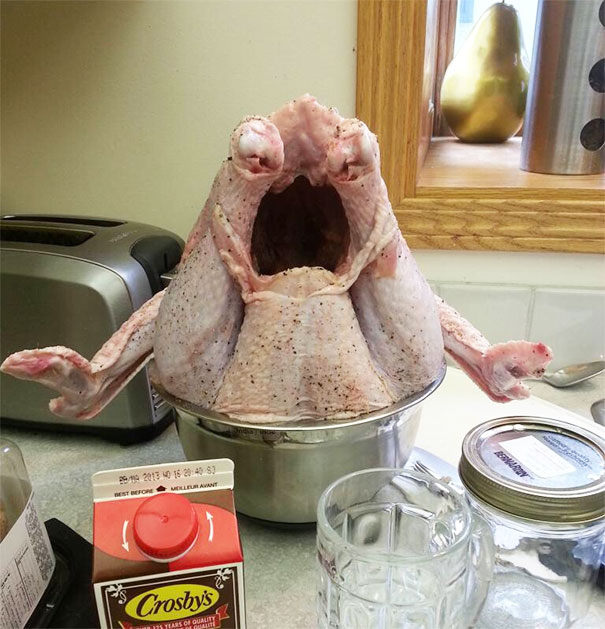
Need a warm-up? Here are four we found:
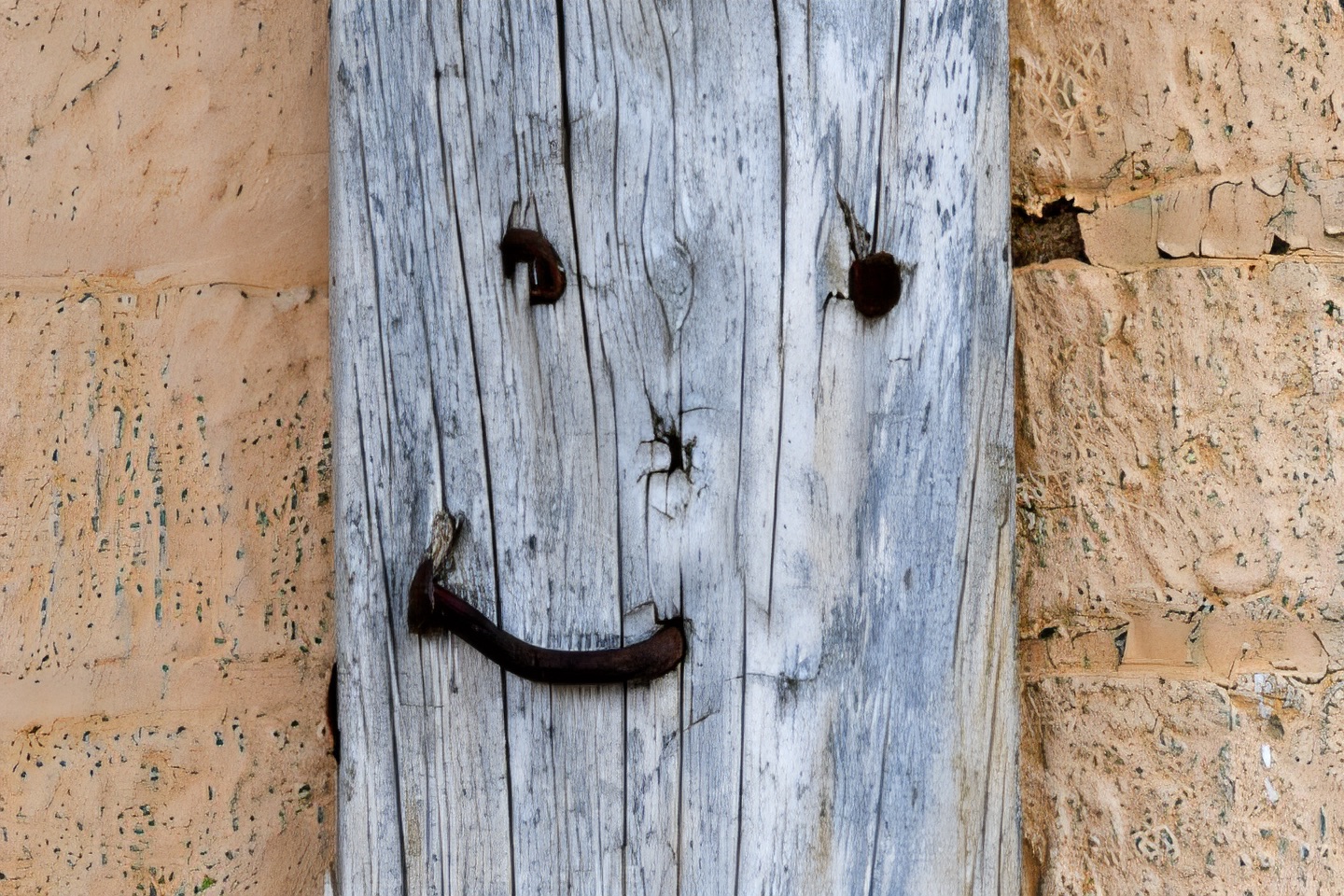
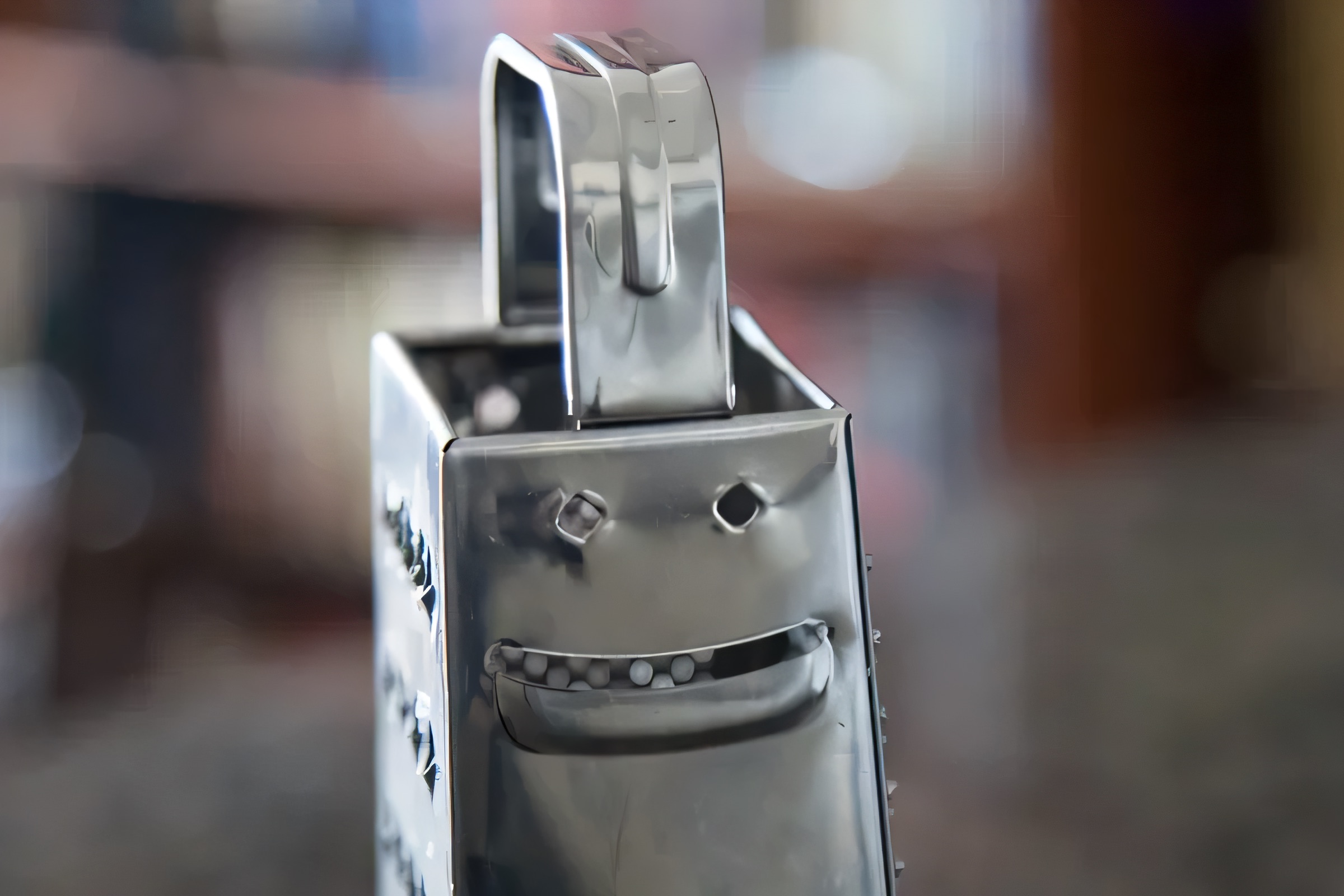
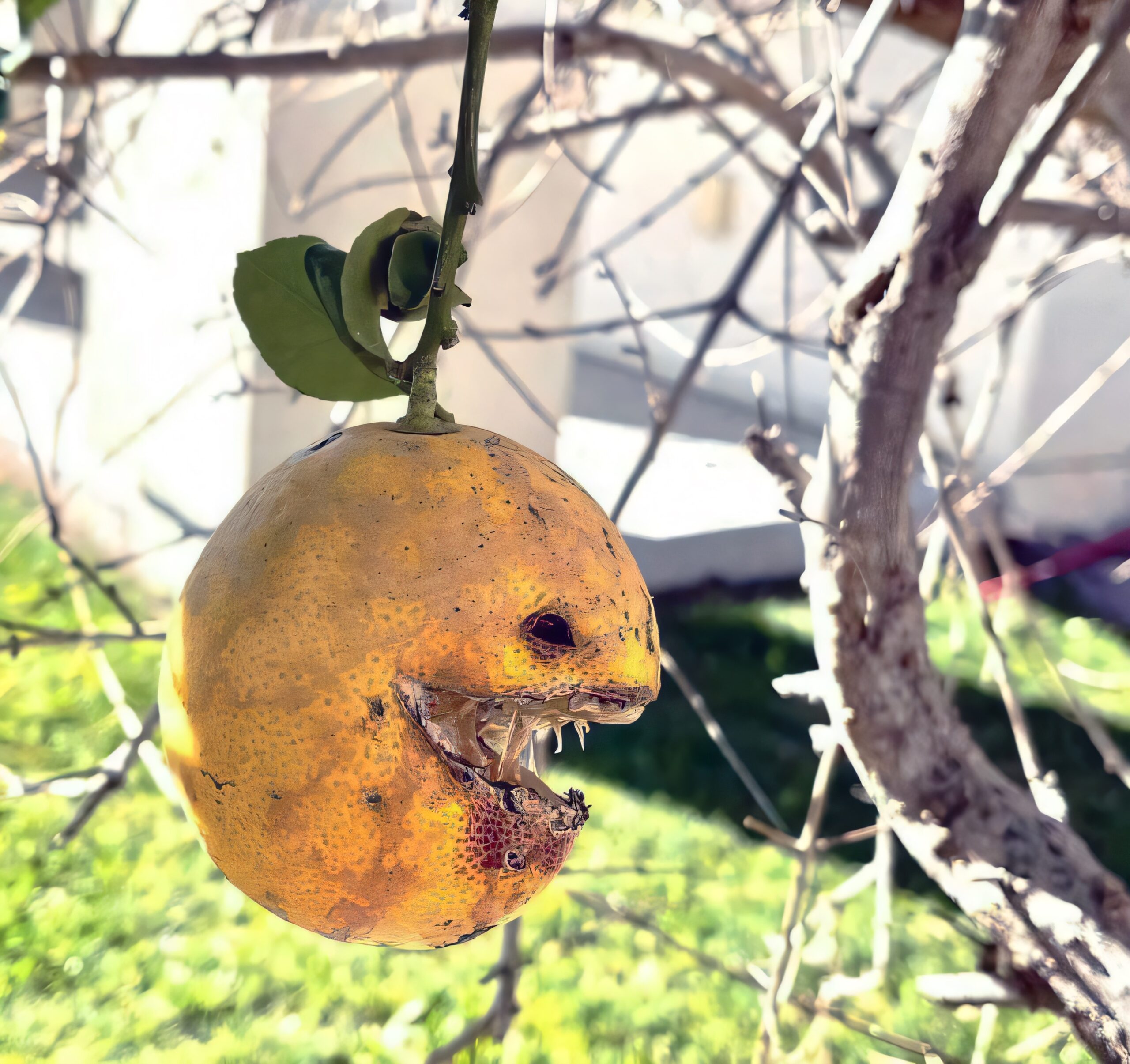

Found most of them? Congratulations, your fusiform face area is doing its job.
Can AI See Faces in Objects? Pareidolia in Machines
Computers get pareidolia too, just not the way we do. Face-detection software sometimes flags vague, face-like clutter as a face, and Google’s DeepDream became famous for turning everything into eyes and faces.
In 2024, researchers at MIT’s Computer Science and Artificial Intelligence Laboratory built “Faces in Things,” a dataset of more than 5,000 human-labeled pareidolia images, and presented it at the European Conference on Computer Vision. They found that AI models don’t spot illusory faces the way people do, until they’re trained on animal faces first. That’s the result that ties pareidolia back to survival, and it’s a reminder that seeing faces in things says as much about what a brain needs to notice as about what’s really there.
The Double-Edged Sword of Pattern Recognition
The same wiring that once kept us alive can lead us astray. Apophenia sits underneath a lot of shaky belief: astrology, “signs” from the universe, conspiracy theories where random dots get connected into hidden plots, and the gambler who’s sure a streak is coming. Conrad first described apophenia in people with schizophrenia, where finding meaning everywhere can become part of a much bigger problem.
Pareidolia is mostly harmless by comparison, but it plays into the same traps. A blurry photo becomes a ghost, a shadow becomes evidence, and a face in a stain becomes a miracle. Science, in a sense, is our structured attempt to separate real patterns from the noise our brains are so eager to fill in. Knowing your brain does this is the first step to catching it in the act.
The Beauty of the Mirage
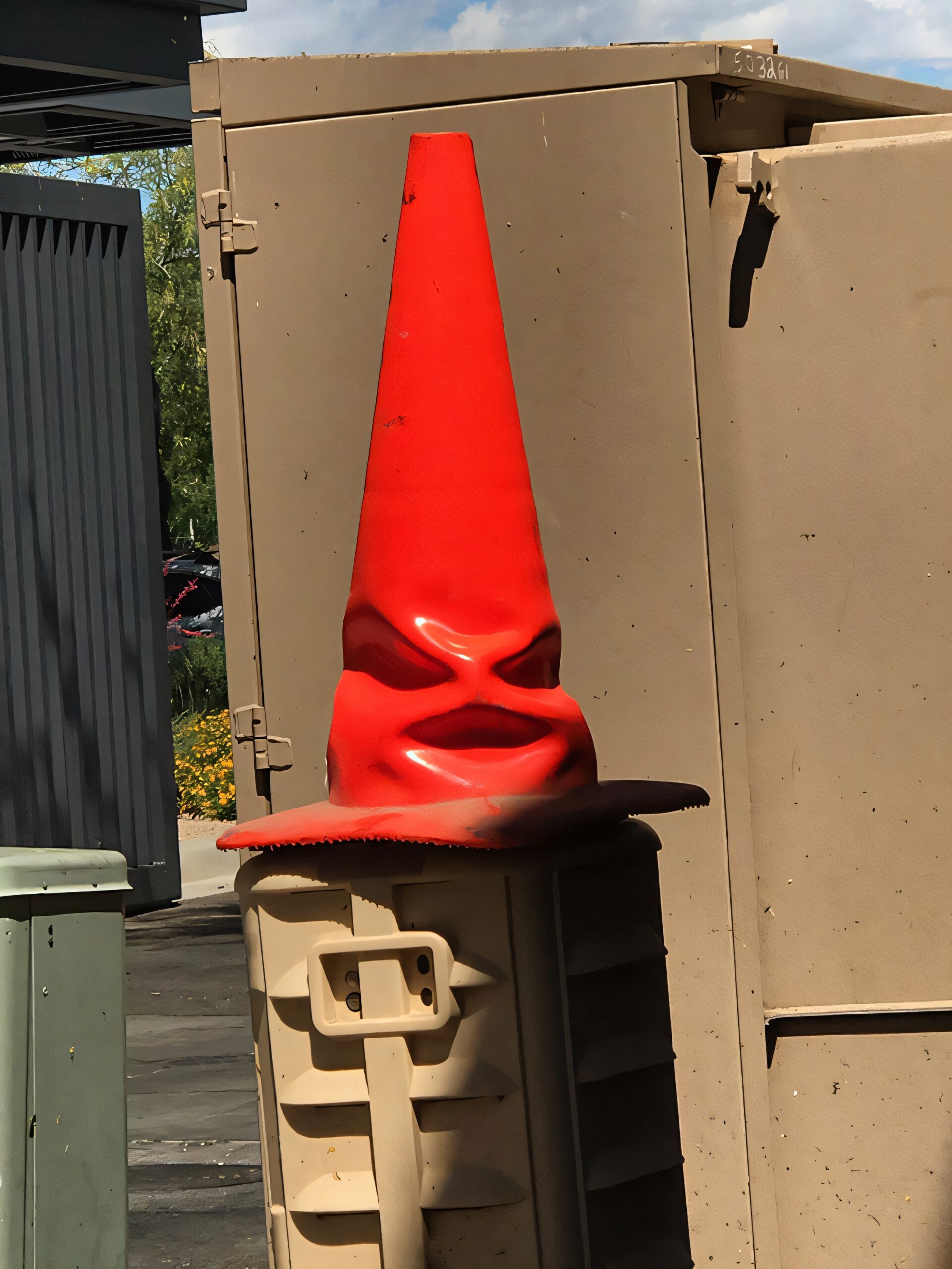
For all the ways it fools us, pareidolia is also a window into what makes the human mind wonderful. It’s why we see art in clouds, stories in the stars and a little personality in a traffic cone. It turned a survival reflex into myth, religion, design and a whole genre of photos people can’t stop sharing.
In the end, pareidolia shows us not just how our minds get things wrong, but how they dream. We’re creatures built to search for meaning, order and connection, even in a universe that might not offer any. Maybe the searching itself is the most meaningful pattern of all.

Pareidolia FAQ
What is pareidolia in simple terms?
Pareidolia is seeing a familiar shape, usually a face, in something random: a car grille, a sink, a cloud or a slice of toast. You know the face isn’t really there, and you see it anyway.
What is it called when you see faces in objects?
It’s called pareidolia, or more specifically face pareidolia (also facial pareidolia). It’s a type of apophenia, the broader tendency to find patterns in random information.
How do you pronounce pareidolia?
Pair-eye-DOH-lee-uh, with the stress on the fourth syllable. That’s five syllables in total, written /ˌpærɪˈdoʊliə/ in phonetic notation.
Is pareidolia normal? Does everyone have it?
Yes. It’s a normal feature of human perception, it shows up in babies by around their first birthday, and it has even been documented in rhesus macaques. Seeing faces in objects means your face-detection system is working, not failing.
What is the difference between pareidolia and apophenia?
Apophenia is the broad tendency to find patterns and meaning in any random information. Pareidolia is a specific type of apophenia: seeing or hearing a familiar form, such as a face or a voice, in random input. All pareidolia is apophenia; not all apophenia is pareidolia.
What is auditory pareidolia?
It’s the same effect applied to sound: hearing speech, music or your own name in noise that contains none, like a bathroom fan, radio static or running water. It’s common and harmless, and it gets stronger when you’re tired or when someone tells you in advance what you’re supposed to hear.
Is pareidolia a sign of intelligence?
There’s no established link between pareidolia and general intelligence, despite how often the claim circulates. It does overlap with creative thinking, and artists like Leonardo da Vinci used it deliberately to find figures in stained walls.
Is pareidolia related to ADHD or autism?
There’s no solid evidence that seeing faces in objects is a sign of ADHD or autism. Some studies suggest autistic people may be less drawn to illusory faces, but the research is mixed, and pareidolia alone isn’t a diagnostic clue.
What is the pareidolia test?
The noise pareidolia test shows people images of visual static, most with no face in them, and counts how many illusory faces they report. Doctors use it alongside other assessments because a high score is linked to dementia with Lewy bodies.
What are the most famous examples of pareidolia?
The Man in the Moon, the Face on Mars photographed by Viking 1 in 1976, the Virgin Mary grilled cheese that sold for $28,000 in 2004, and faces in clouds. Car designers also use the effect on purpose, shaping headlights and grilles to look like expressions.
Why do I see faces in everything?
Because your brain has dedicated hardware for faces and runs it at high sensitivity. Over evolution, missing a real face was far more costly than imagining one, so the system was tuned to over-report. Once you learn the word, you’ll notice it more, which makes it feel like it’s increasing.
More Pareidolia Examples: Faces in Everyday Objects
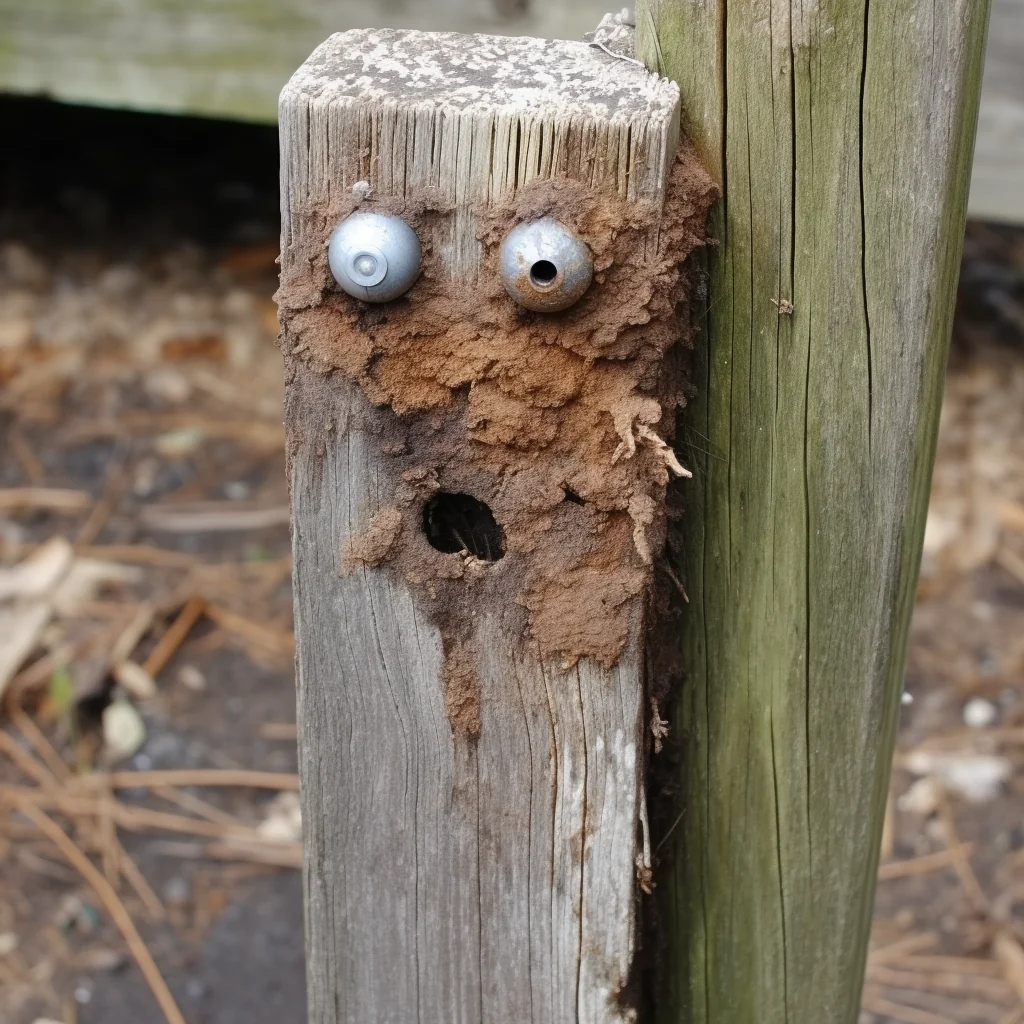
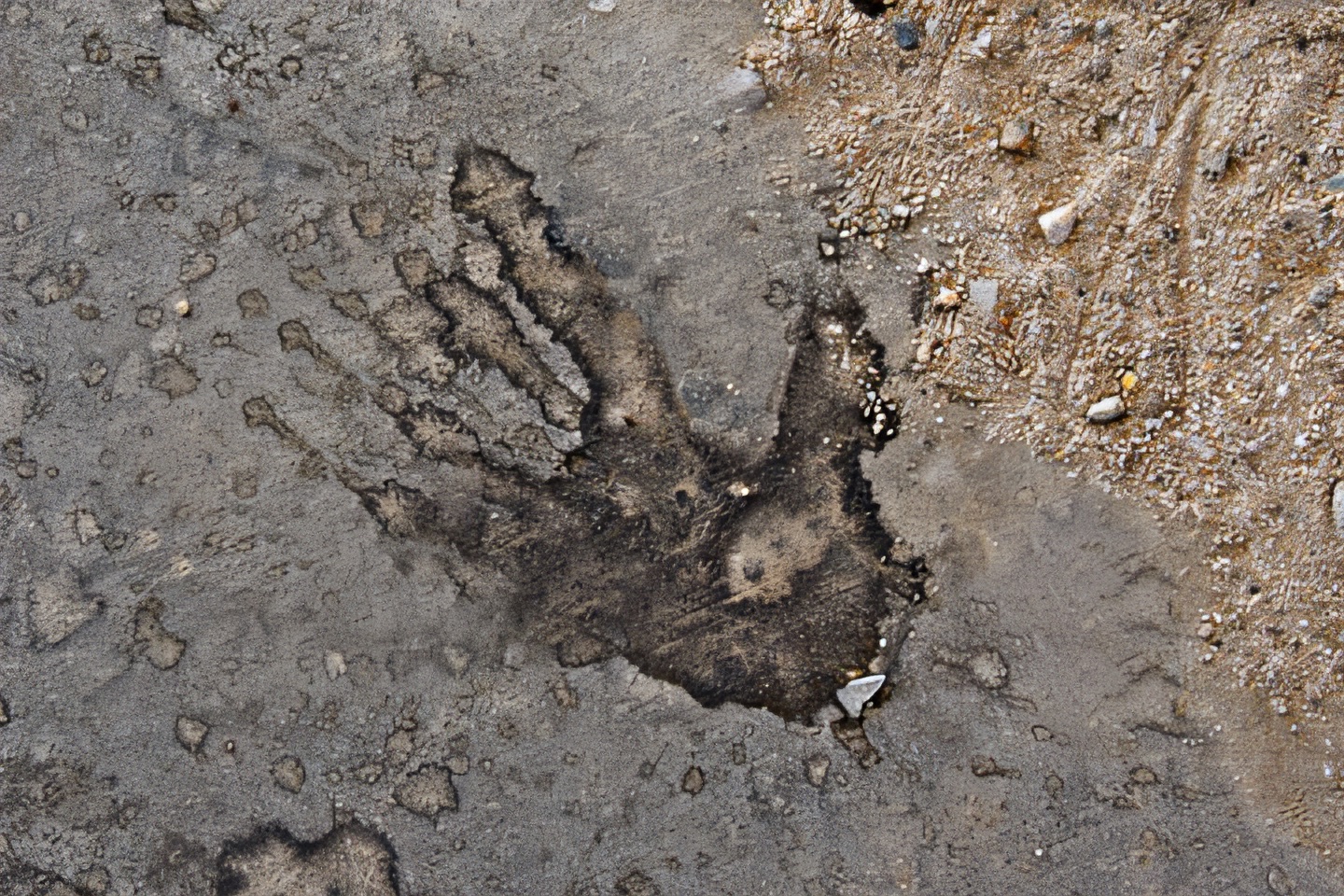
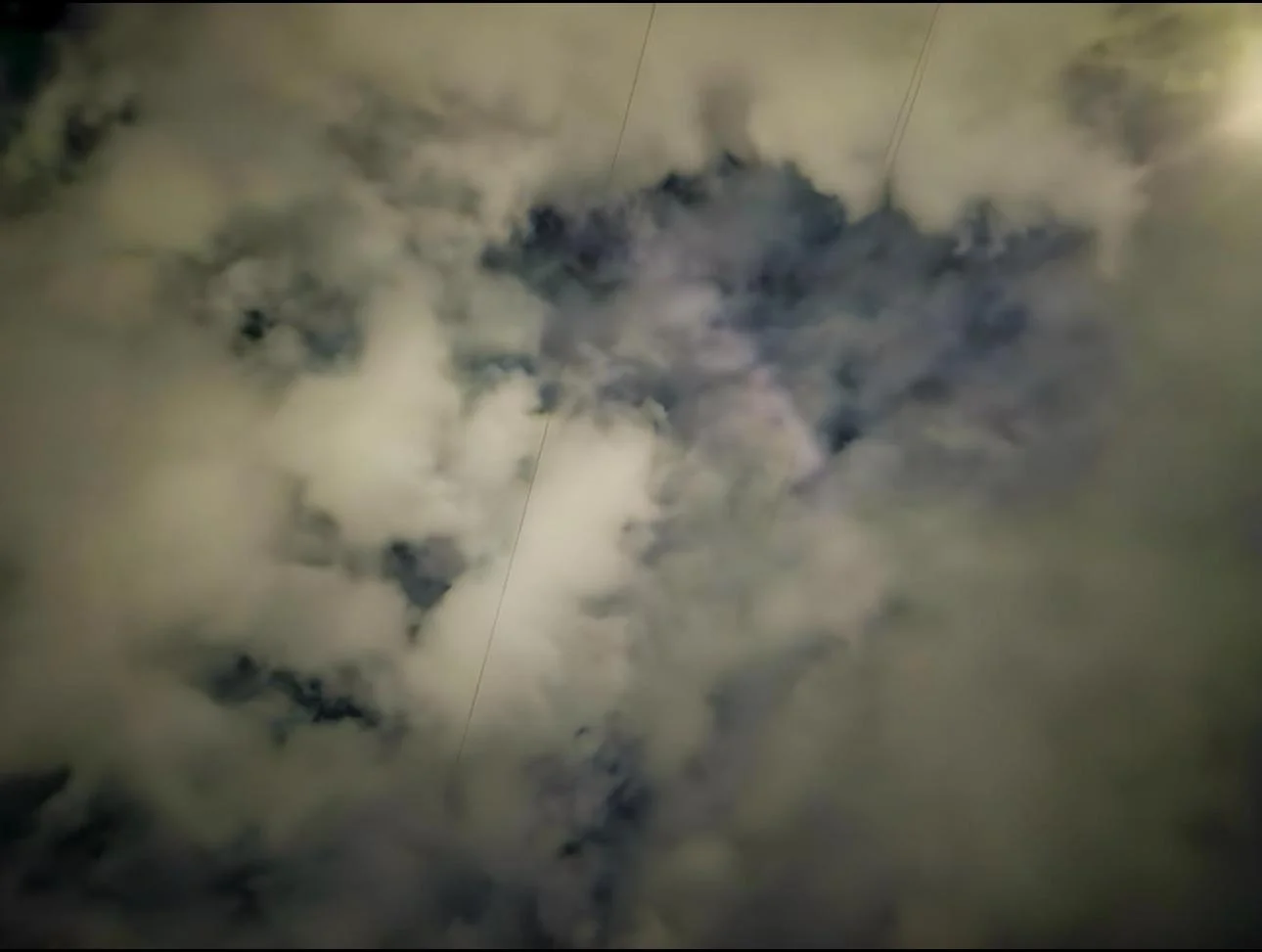
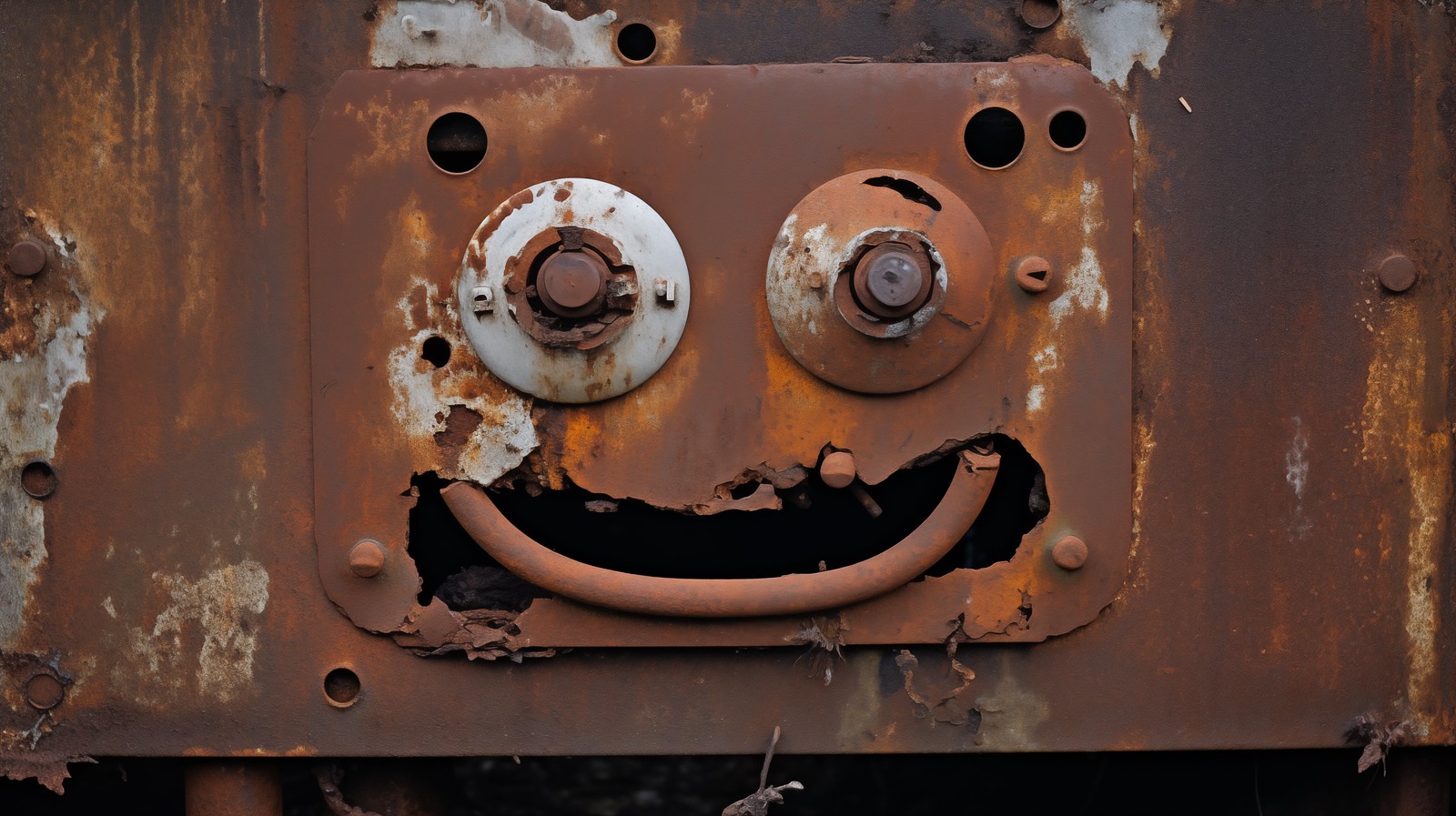
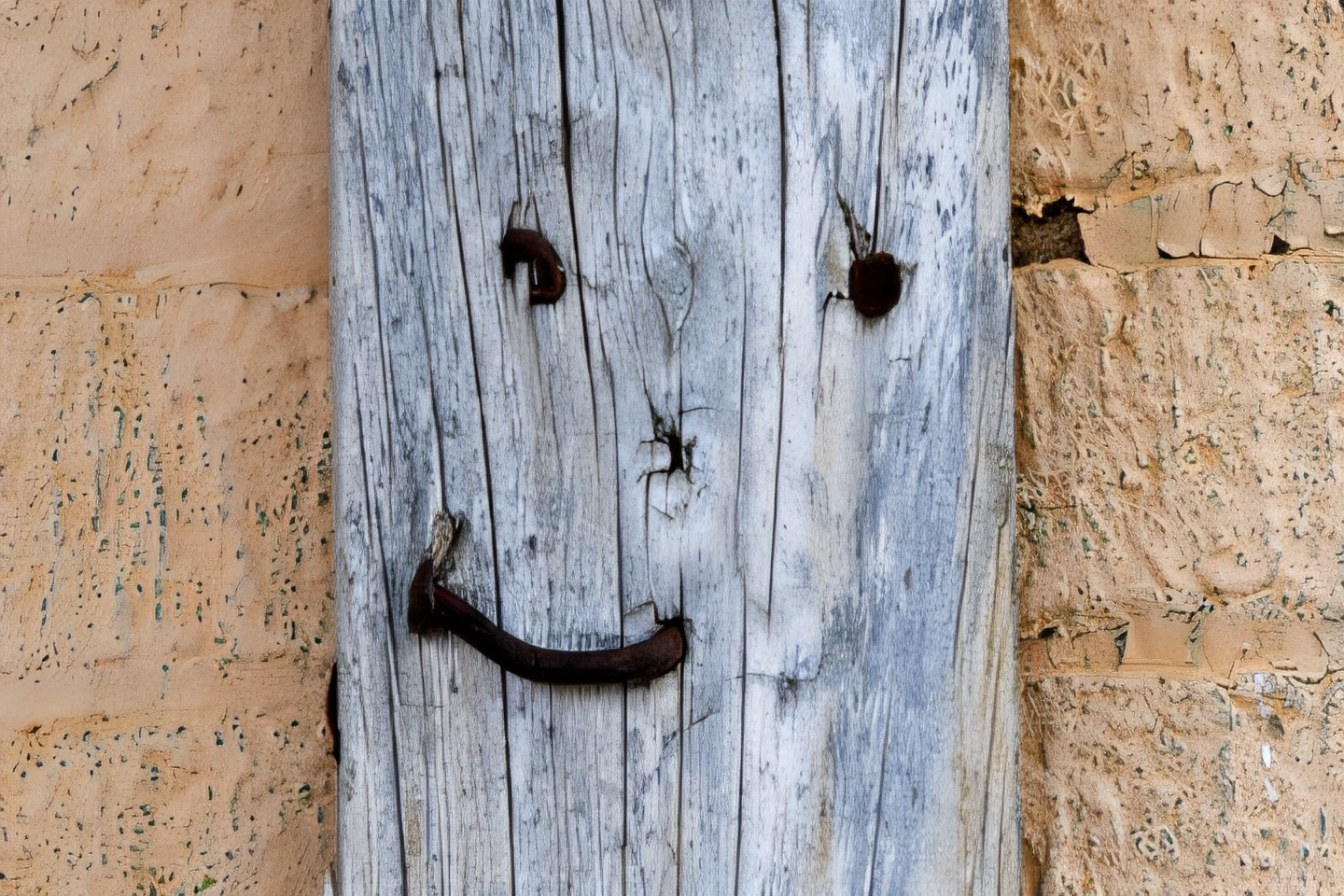
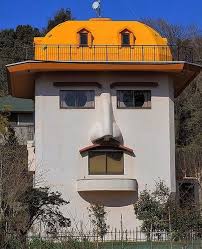
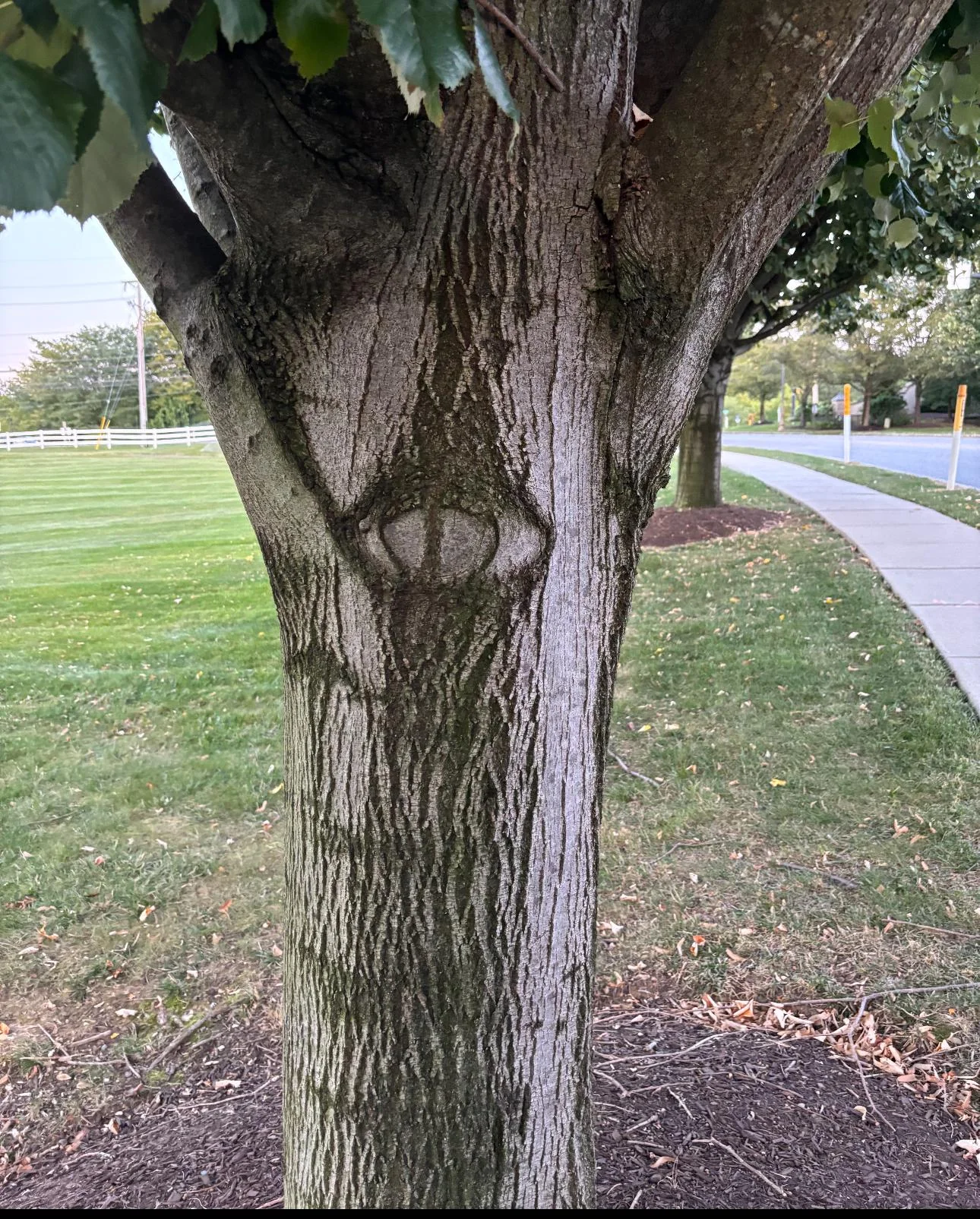
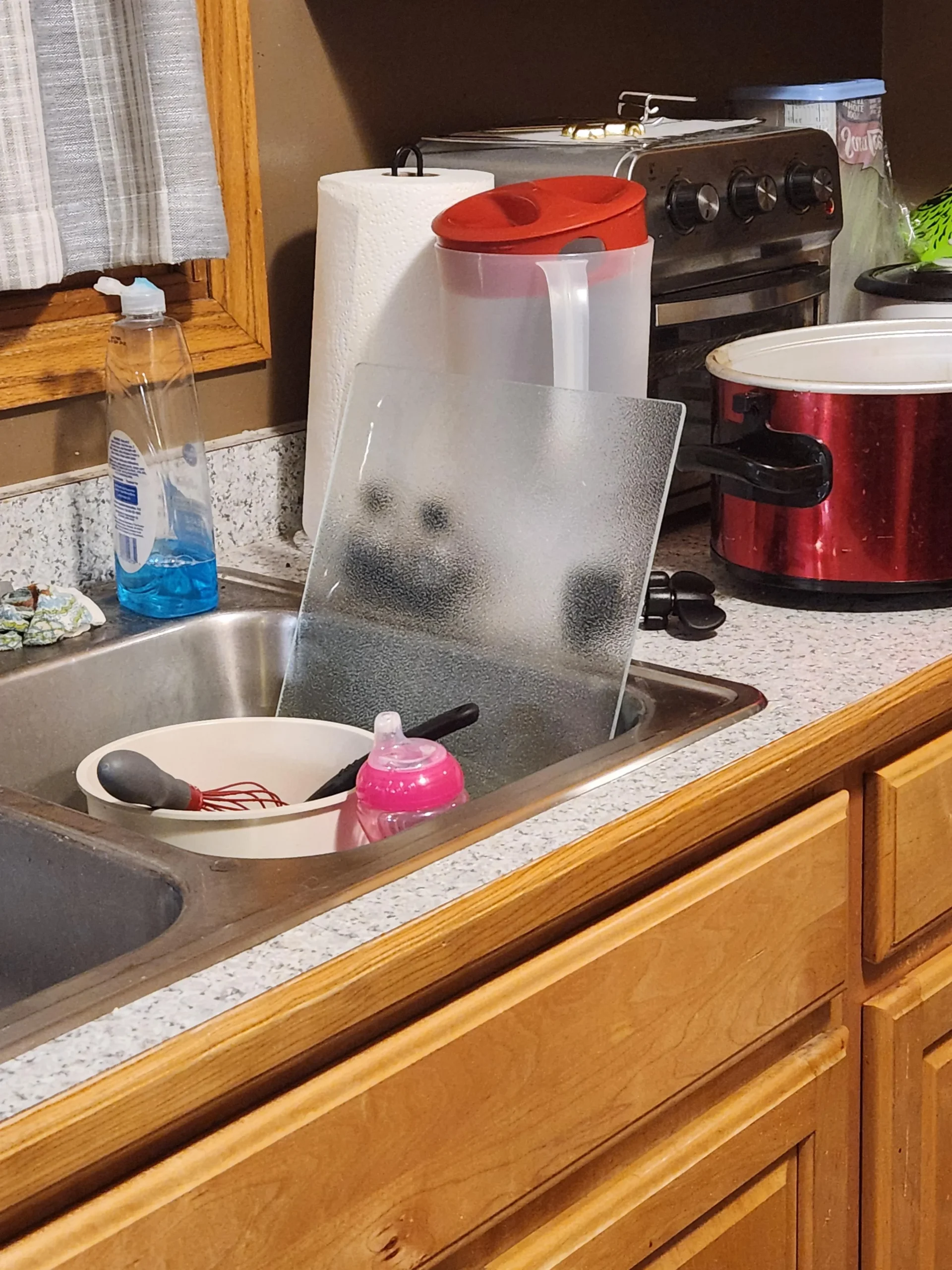
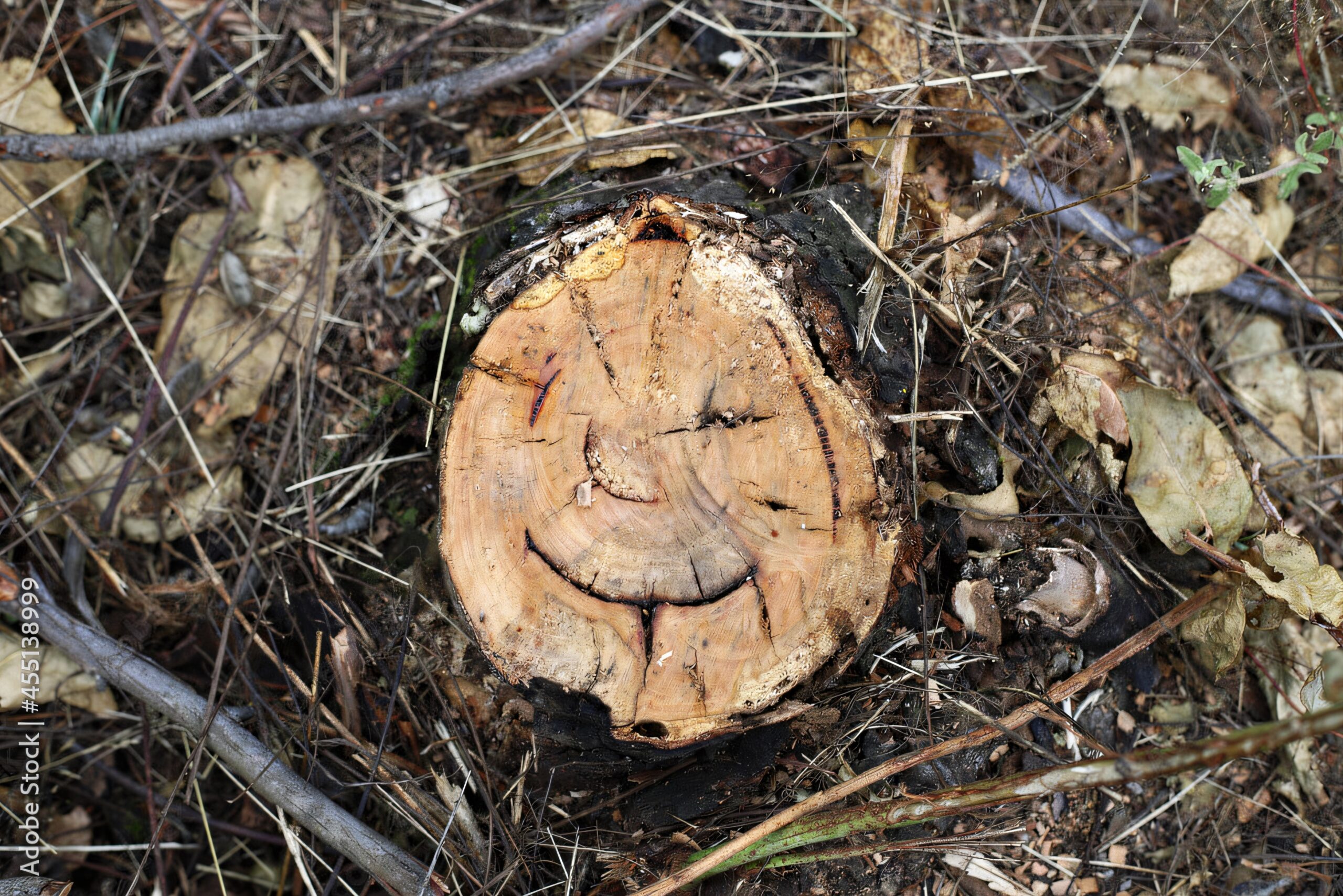
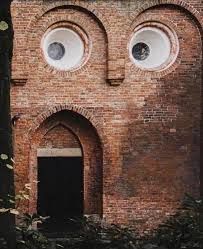
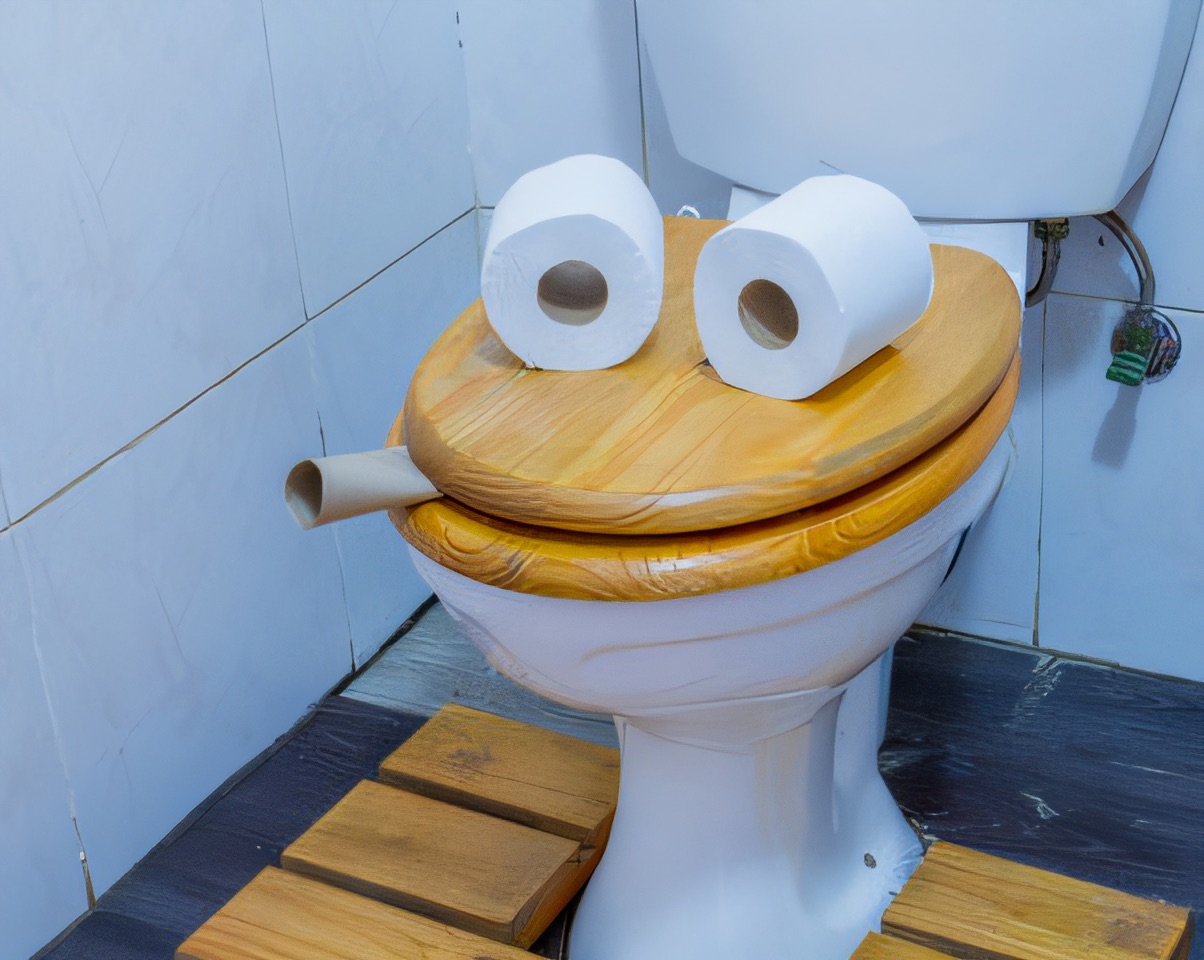
Here’s the rest of the collection: roughly two dozen more examples of pareidolia in the wild. Sinks, cars, buildings, food, plants and hardware. None of them have faces. All of them have faces.






More from Editor Picks

Garbage Pail Kids Images & Pictures: High-Res GPK Guide
If you’re searching for high resolution Garbage Pail Kids images, or just clear pictures of Garbage Pail Kids you can …
Cartoon Doppelgängers: When Real Life Takes a Detour to Looney Town
Have you ever walked down the street, looked at someone, and thought, “Wait a minute, why does it look like …

Only 1% Get Every Question Right: Are You One of Them?
This quiz doesn’t care about your GPA, your LinkedIn bio, or your self-esteem 💡 It only cares about right answers …